





On an ordinary weekday, an UberX or standard Lyft is usually a little cheaper than a taxi for the same trip, and a taxi is usually cheaper than a premium app tier. The difference is how the price is set. A taxi fare is fixed by a public authority and shown on a meter or a flat-fare schedule. An app fare is quoted before you ride, and it rises when demand does.
On safety, the gap is smaller than most people assume. In New York every taxi and every app car must be licensed by the same city commission, and both apps run background checks and in-app safety tools. The real differences are where you are picked up, how predictable the price is, and what happens when something goes wrong. This guide puts numbers on all three.
Is Uber or Lyft cheaper than a taxi?
Usually, on a normal day, for standard rides. Uber's own airport pages show UberX averages below the published taxi meter for similar trips in Miami and San Francisco. At busy times app prices rise, while taxi fares stay on the regulated meter or flat fare. Premium tiers such as Uber Black cost more than a taxi.
The fairest way to compare is with numbers each side publishes itself. Taxi regulators publish meters and flat fares. Uber publishes, on its airport pages, the average price riders paid over the past month for each ride option from a named neighbourhood to the airport. Lyft and Uber both say prices vary with time and demand, so an average is a calm-day benchmark, not a promise.
Three cities, side by side
New York. The NYC Taxi and Limousine Commission sets a US$70 flat fare between Manhattan and JFK in either direction, plus a 50-cent MTA surcharge, a US$1.00 improvement surcharge, a US$5.00 surcharge from 4 pm to 8 pm on weekdays, the New York State congestion surcharge of US$2.50 for yellow taxis south of 96th Street, a 75-cent congestion pricing toll for trips into the zone south of 60th Street, tolls and tip. Trips to LaGuardia run on the standard meter, US$3.00 to start plus 70 cents per fifth of a mile, with a US$5.00 LaGuardia surcharge, and taxis add a US$2.00 airport access fee for pickups at LaGuardia and JFK. On the app side, Uber's LaGuardia page showed a past-month average of US$80 for UberX and US$111 for Uber Black from Manhattan's West Side to LGA.
San Francisco. The SFMTA taxi fare schedule sets US$4.15 for the first fifth of a mile, US$0.65 for each additional fifth of a mile and US$0.65 per minute of waiting or slow traffic, plus a US$6.00 SFO pickup fee. On distance alone, a 15-mile run comes to about US$52 before traffic minutes, the airport fee and tip. Uber's SFO page showed an UberX average of US$50 and an Uber Black average of US$94 from Pacific Heights to the airport.
Miami. Miami International Airport publishes the Miami-Dade meter on its taxi and ride app page: US$2.95 for the first sixth of a mile, then 85 cents per sixth of a mile up to one mile and 55 cents per sixth after that, a US$2.00 airport origination fee and a US$15 minimum from MIA. On that meter a 15-mile trip is roughly US$55 before waiting and tip. Uber's MIA page showed an UberX average of US$27 from Upper Brickell, a much shorter trip, and US$58 for Black.
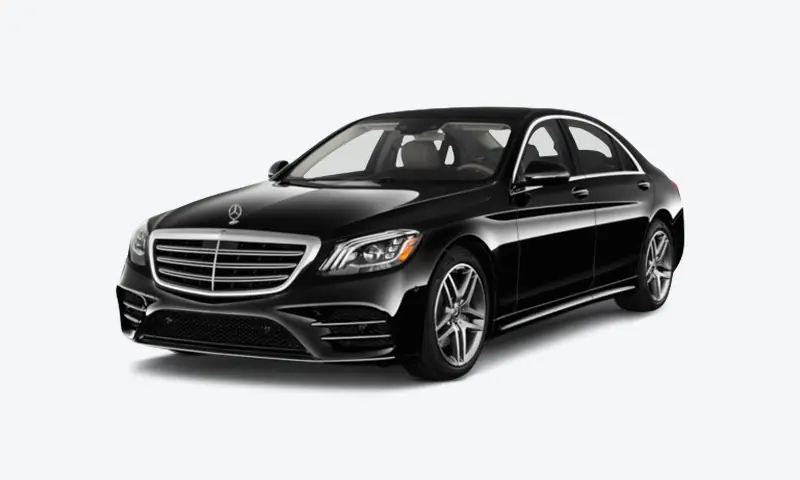
| City and trip | Taxi (published) | UberX average | Uber Black average | Elly8.net Business Sedan |
|---|---|---|---|---|
| New York, Manhattan and JFK | US$70 flat plus surcharges, tolls, tip | not published for this route | not published for this route | US$210 JFK to Midtown |
| New York, West Side and LGA | Meter plus US$5 surcharge, US$2 pickup fee | US$80 | US$111 | US$145 LGA to Midtown |
| San Francisco, 15 miles to or from SFO | about US$52 on distance plus US$6 SFO fee | US$50 from Pacific Heights | US$94 | US$180 SFO to Union Square |
| Miami, about 15 miles from MIA | roughly US$55 plus waiting and tip | US$27 from Upper Brickell | US$58 | US$180 MIA to Miami Beach |
The table shows why "it depends" is the honest answer. A standard app ride and a taxi are close; app averages can be lower, but taxi prices do not surge. Premium tiers and pre-booked cars cost more and buy different things.
Why the same trip costs different amounts
Taxis charge for distance and time on a regulated meter, or a published flat fare. The extras are also published: rush-hour surcharges, airport fees, card fees in some cities. A slow trip costs more because the meter keeps running in traffic, but a Friday evening does not change the rate.
Uber and Lyft quote an upfront price. Uber says on its upfront pricing page that the price is built from estimated time and distance plus demand patterns for that route at that time, and includes tolls, taxes, surcharges and fees except wait time fees. The same page notes that in California, most ride options show an estimate and the final price is based on actual time and distance. Tips are added in the app on top. When everyone leaves a stadium at once, the quote rises.
That is the trade in one line: the app is usually cheaper on a quiet day, and the taxi is predictable on a busy one. Our post on why Uber Black often costs less than a car service looks at the same effect one tier up.
What about the premium tiers?
Uber Black and Lyft's black-car tiers are not really taxi competitors. They are priced well above the meter: on Uber's own averages, Black cost about 40 percent more than UberX from the West Side to LaGuardia and nearly double UberX from Pacific Heights to SFO. They buy a larger, newer luxury car and a professional driver, and at some airports a different pickup point. At SFO, for example, the airport sends Uber and Lyft black-car products to the Arrivals level of the domestic terminals rather than the garage.
If the reason you are looking at a premium tier is luggage, a group or a fixed time, compare it with a booked SUV rather than with a taxi. If the reason is simply a nicer car for a short ride, the app does that well.
Safety: what each one actually checks
People ask about safety more than price, and the answer is better than the headlines suggest for all three.
Taxis. In most North American cities taxis and their drivers are licensed by a city authority that sets the rates and inspects the vehicles. New York's TLC says on its illegal rides page that it licenses and inspects the vehicles and trains and licenses the drivers, that yellow and green cabs must be hailed on the street, at a taxi line or through an app, and that all other trips must be prearranged through a licensed app or dispatcher. The licence number is displayed in the cab.
Uber. Uber's safety page says drivers are background checked before their first trip, including for impaired driving and violent offences, and rescreened at least every year outside New York. The app shares live location with 911 dispatchers when you call from it, monitors for unusual stops or possible crashes, hides phone numbers, and has safety support around the clock.
Lyft. Lyft's safety page says every driver completes verification, background checks and safety education, that rides are monitored for unusual activity, that riders can share their trip with trusted contacts, record audio and video in the app, and use PIN verification before the ride starts.
The common rule. Whatever you choose, use the official pickup area and check the plate. New York's TLC notes that in the city, rideshares, community car services and luxury limos must all be affiliated with a TLC-licensed base, and JFK's ride-share page warns travellers to go to the official pickup areas and to check the licence plate against the app.
A pre-booked chauffeur adds one thing: you know who is coming before you land. Elly8.net rides outside Toronto are operated by licensed, commercially insured local chauffeur partners vetted through the Limousine Worldwide network, in vehicles four model years old or newer. The chauffeur waits inside arrivals with your name, so there is no stranger offering a ride and no plate to match.
When a taxi wins
- One or two people, light bags, a published flat fare. The JFK to Manhattan flat fare is predictable, and at off-peak hours the surcharges are small.
- Short city trips with a meter you can see. No demand pricing, no app needed.
- Busy nights. When app prices spike after a concert, the taxi meter does not.
- No phone signal or no data plan. A rank does not need either.
When Uber or Lyft wins
- Quiet times and short trips. The averages above show app rides at or below the meter on calm days.
- Neighbourhoods with few taxis. Apps cover suburbs where hailing is hopeless.
- Groups of five or six. UberXL or Lyft XL is cheaper than two cabs, if the bags fit.
- Spontaneous plans. See the price, accept or decline.
When neither is the right tool
Some trips are badly served by both, and that is where a fixed price booked in advance earns its cost.
- Late or delayed flights. We track the flight; the chauffeur meets you inside arrivals, and waiting after a tracked landing is complimentary. Our guide on how to get an Uber from the airport explains the walk to the app zones that a meet and greet avoids.
- Families with child seats. Seats are fitted on request when you book.
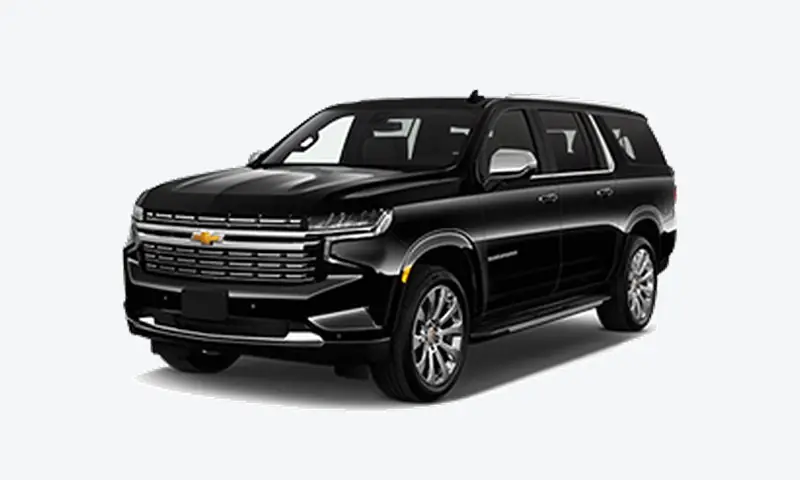
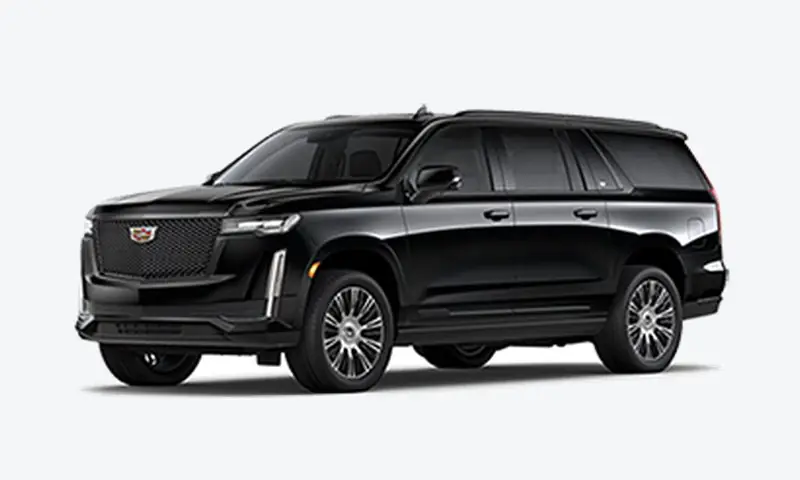
- Groups with luggage. A Business SUV carries up to six passengers and six bags; an Executive Sprinter up to twelve and twelve, priced once per vehicle.
- Meetings, roadshows and company billing. A corporate car service with monthly invoicing and NDAs on request.
- A fixed budget. The fare is set when you book and does not rise with demand. Airport surcharges are a frequent surprise on both sides; our post on the Uber airport surcharge lists the published ones.
For those trips, Elly8.net fares in these three cities run from US$145 for LGA to Midtown in a Business Sedan and US$210 from JFK, to US$180 for SFO to Union Square or MIA to Miami Beach, all-in per vehicle. Full price lists are on our New York car service, San Francisco and Miami pages, and the trade-offs are covered point by point in chauffeur vs taxi and chauffeur vs Uber and Lyft.
A quick decision guide
Ask how many bags you have, how fixed your timing is, and how busy the moment is. Light bags, flexible time, quiet hour: take the app or the taxi, whichever is closer. Light bags, busy hour: the taxi meter protects you from surge. Heavy bags, a group, a child seat, a client or a late landing: book ahead.
Rides in Toronto and the GTA are operated by the Elly8 fleet; in every other city they are operated by licensed, commercially insured local chauffeur partners, with Elly8.net taking the booking, fixing the price and running the 24/7 desk.
Frequently asked questions
Is Uber cheaper than a taxi at the airport?
Often, on a quiet day. Uber's San Francisco page showed an UberX average of US$50 from Pacific Heights to SFO, against about US$52 on the taxi meter for 15 miles plus a US$6 pickup fee. At busy times app prices rise. Taxi fares stay on the published meter or flat fare, such as US$70 between JFK and Manhattan plus surcharges.
Is Uber safer than a taxi?
Both are regulated. In New York, the TLC licenses taxis, app vehicles and their drivers. Uber and Lyft add background checks, trip sharing and in-app safety tools; taxis display a licence and run on a meter you can see. The biggest risk is unlicensed rides, so use official pickup areas and check the plate.
Is Lyft cheaper than Uber?
It varies by city, time and tier, and neither company publishes a fixed fare. Compare both apps at the moment you travel. For a full side-by-side of tiers, memberships and airport rules, see our Lyft vs Uber guide on the journal, and remember that a taxi flat fare is the steadiest benchmark.
Do taxis or apps charge airport fees?
Both can. In New York, taxis add a US$2.00 airport access fee at LaGuardia and JFK; San Francisco taxis add US$6.00 at SFO; Miami taxis add a US$2.00 origination fee at MIA. App prices include the airport's charges in the quote. Elly8.net fares include airport meet and greet, with parking billed at cost.
When is a pre-booked car worth the extra cost?
When the timing matters more than the minute-by-minute price: late or international arrivals, groups with luggage, child seats, clients and event nights. Elly8.net fares are fixed, all-in and per vehicle, with free cancellation more than 72 hours before pickup and complimentary waiting after a tracked landing.
Can you tip a taxi or an Uber driver?
Yes. New York's taxi fares list tips as an addition to the fare, and Uber says riders can add a tip in the app after the trip. Elly8.net fares already include the standard gratuity, so there is nothing to calculate at the end of the ride.