



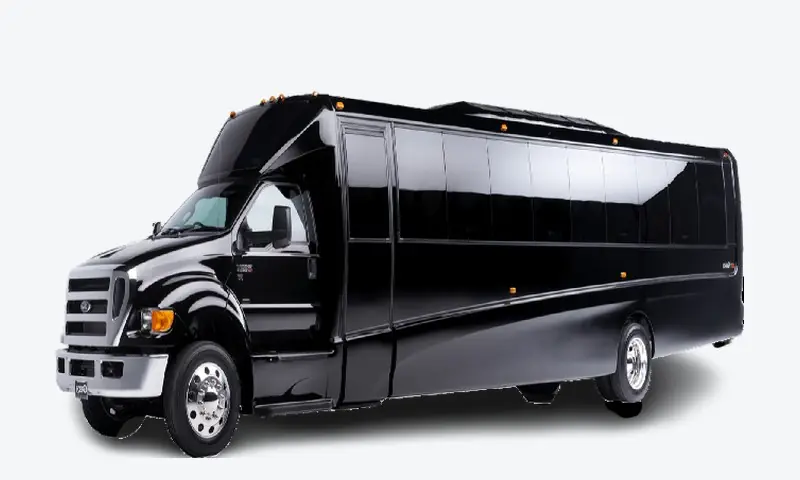


A Dublin Airport taxi is a metered, licensed cab that you take from the rank outside Terminal 1 or Terminal 2. Dublin Airport estimates the fare to the city at €30-45, depending on traffic and the time of day, and there are taxis waiting at all hours with dispatchers on hand to help. Fares are capped by the National Transport Authority's national maximum taxi fare, which applies across Ireland.
For most couples arriving with a case each, the rank is quick, fair and the obvious choice. A pre-booked car earns its place in narrower cases: families and groups with luggage, night and holiday arrivals when the higher tariffs apply, longer trips out of the city, and travellers who want a fixed price in US dollars and someone waiting inside arrivals. This guide sets out the numbers so you can decide before you land.
How much is a taxi from Dublin Airport to the city centre?
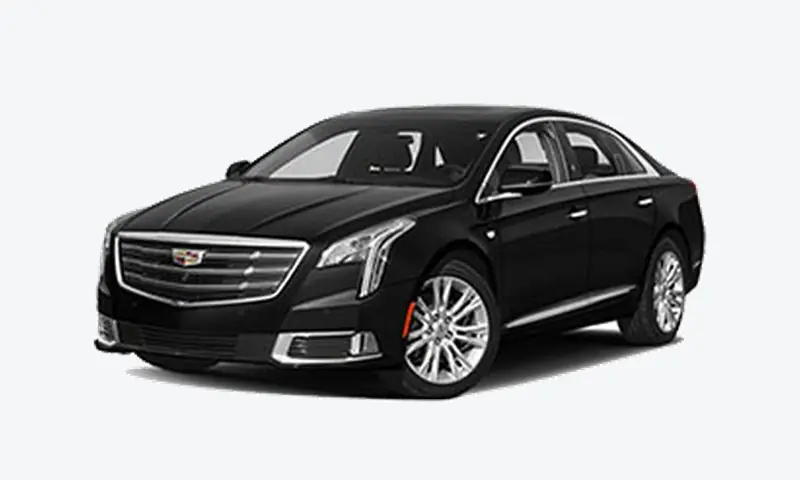
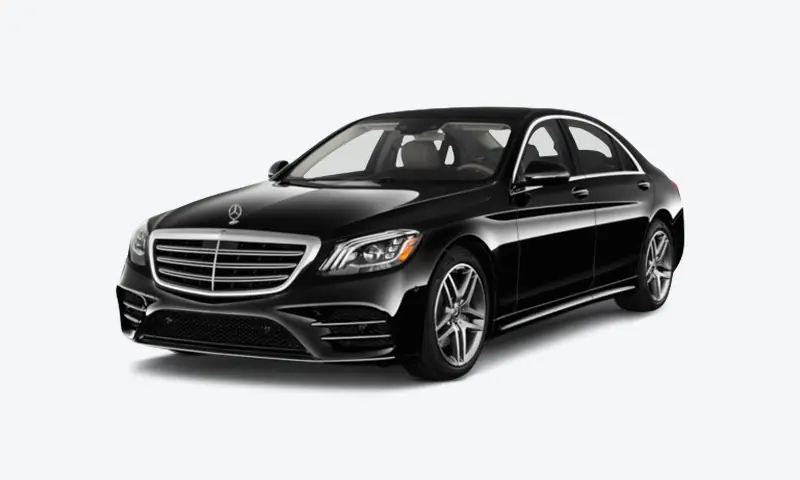
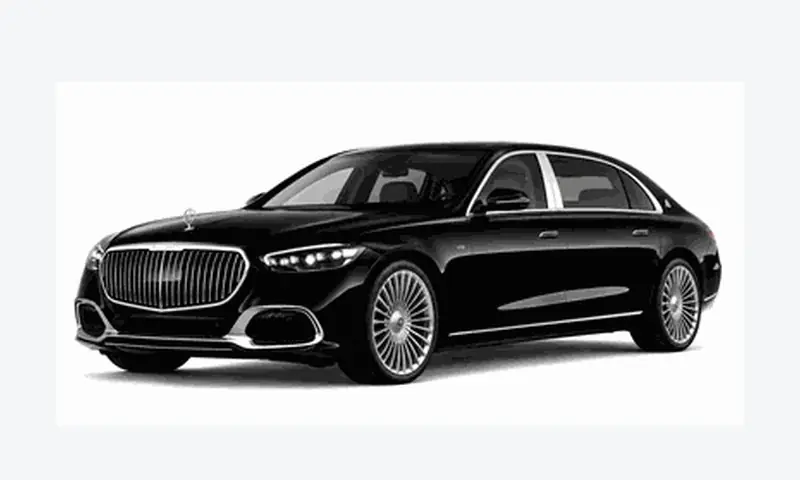
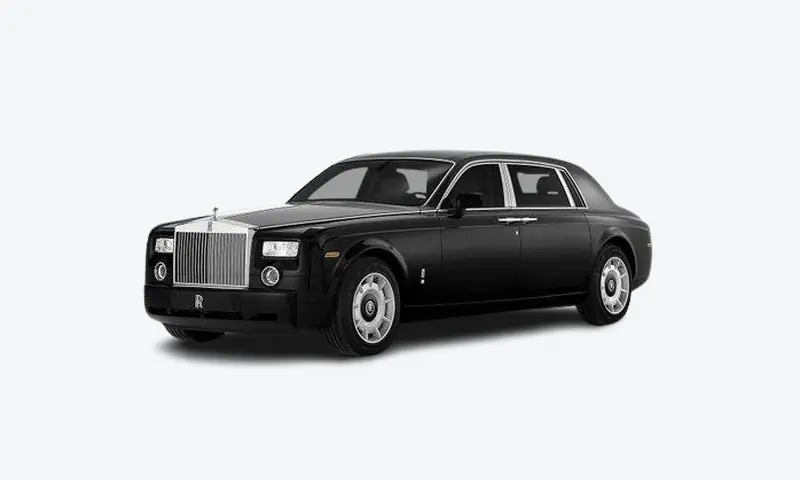
Dublin Airport estimates a taxi to the city at €30-45 on the meter, €40-50 to Heuston Station and €25-40 to Busáras. Extras are €1 per additional adult and €3 if you pre-book by phone or app, plus tolls. An Elly8.net car to the city is a fixed US$120 per vehicle in a business sedan.
The range is wide because the meter counts both distance and time, and the rate changes with the hour. A clear-road run at 11am on a Tuesday sits at the bottom of the range. A wet Friday evening in the rush hour, or a 2am arrival on a Sunday, sits towards the top or above it.
Rides in Dublin are operated by licensed, commercially insured local chauffeur partners vetted through the Limousine Worldwide network; Elly8.net takes the booking, fixes the price and runs the 24/7 desk.
Where the taxi ranks are
Both terminals have a taxi rank directly outside arrivals, and Dublin Airport's taxi page notes that taxis are ready to go at all times with dispatchers outside each terminal. Follow the taxi signs once you leave the arrivals hall. Going the other way, taxis pull up to the kerb in front of T1 or T2, steps from the check-in desks.
Queues at the rank depend on how many flights land together. Transatlantic flights from New York, Boston, Chicago and Toronto tend to arrive in an early-morning cluster, so the rank can be busy at the same moment you are tired and juggling bags. Dispatchers keep it moving, and the wait is usually short, but it is a queue outdoors in Irish weather.
Which meter rate applies when you land
Every taxi in Ireland runs on the same national maximum fare, set by the National Transport Authority and published by Transport for Ireland. A driver can charge less than the meter, never more. What matters for an airport pickup is which of the three rates is showing when you leave the rank, because that depends on the day and the hour your flight lands, not on the distance.
| When you leave the rank | Meter rate | Initial charge | Per km on the airport run |
|---|---|---|---|
| Monday to Saturday, 8am to 8pm, not a public holiday | Standard (1) | €4.40 | €1.32, then €1.72 once the fare passes €23.60 |
| Weekday mornings before 8am, when most North American flights land | Premium (2) | €5.40 | €1.81, then €2.20 once the fare passes €31.80 |
| Evenings after 8pm, Sundays and public holidays | Premium (2) | €5.40 | €1.81, then €2.20 |
| Midnight to 4am on Saturday and Sunday mornings; Christmas Eve 8pm to St Stephen's Day 8am; New Year's Eve 8pm to New Year's Day 8am | Special (3) | €5.40 | €2.20 throughout |
The initial charge covers the first 500 metres or 85 seconds; after that the meter charges by distance while the car is moving and by the minute while it is stuck in traffic. The practical point for a transatlantic arrival is the second row: a taxi that pulls away from the rank at 7:15am on a weekday starts on the premium rate, even though the same ride an hour later would be on the standard rate.
The extras on top of the meter
Transport for Ireland's customer information lists the permitted extras:
- Extra passengers: €1 for each additional adult. One child travels free, and €1 is added for every two children under 12.
- Pre-booking fee: €3 when you book by phone, app or in person, rather than hailing or taking one from the rank.
- Tolls: added as incurred, and they should be listed on the receipt. The Dublin Port Tunnel, the usual fast route from the airport to the south city, is tolled.
- Soiling: a maximum of €140 if the taxi is soiled.
So a family of four adults from the rank pays the meter plus €3 for the three extra adults, plus any toll. Booking that same taxi through an app adds the €3 pre-booking fee.
Your rights in a Dublin taxi
The rules favour passengers. The airport's taxi page lists them: drivers must accept journeys of up to 30 km, all fares are calculated on the meter, and you are entitled to a printed taximeter receipt and a clean vehicle. Drivers must also offer reasonable assistance with luggage, according to Transport for Ireland's guide to taxis, hackneys and limousines.
Two tools are worth knowing. The free TFI Driver Check App lets you confirm that the driver and vehicle are licensed and share the trip with a friend. And complaints go to the National Transport Authority, whose contact details are on the airport page.
Taxis, apps and pre-booked cars: how Ireland's licensing works
North Americans often expect three separate choices: a taxi, an Uber or Lyft with a private driver, and a black car. Ireland's licensing is different. Every paid car ride is a small public service vehicle, licensed as one of three types:
- Taxi: can be hailed, taken from a rank or pre-booked; metered; allowed to use bus lanes when working.
- Hackney: pre-booked only; the fare is agreed before the journey; no meter; not allowed in bus lanes.
- Limousine: for corporate, ceremonial and prestige work; pre-booked only, with the fare agreed in advance; not allowed in bus lanes.
Ride-hailing apps in Ireland act as booking services for licensed taxis, so an app ride from the airport is a metered taxi with the pre-booking fee. There is no surge pricing in the North American sense, because the meter caps the fare, but there is also no fixed price: you pay what the meter shows.
One honest point in the taxi's favour: because taxis can use bus lanes and pre-booked cars cannot, a taxi can be quicker on some congested city approaches at rush hour. A pre-booked car takes the Port Tunnel or the M1 like everyone else and makes up the time at the door.
When the rank is the right call
- A couple or solo traveller with one or two cases, landing at a normal hour, going to a city-centre hotel. The meter will usually land in the airport's €30-45 range, and the rank is right there.
- A short trip to Busáras or the north city, where the airport's own estimate is €25-40.
- You did not plan ahead. The rank is always there; nothing needs booking.
For the coach and bus alternatives, which can be cheaper still for one or two people, see our guide to Dublin Airport to the city centre with luggage.
When a pre-booked car wins
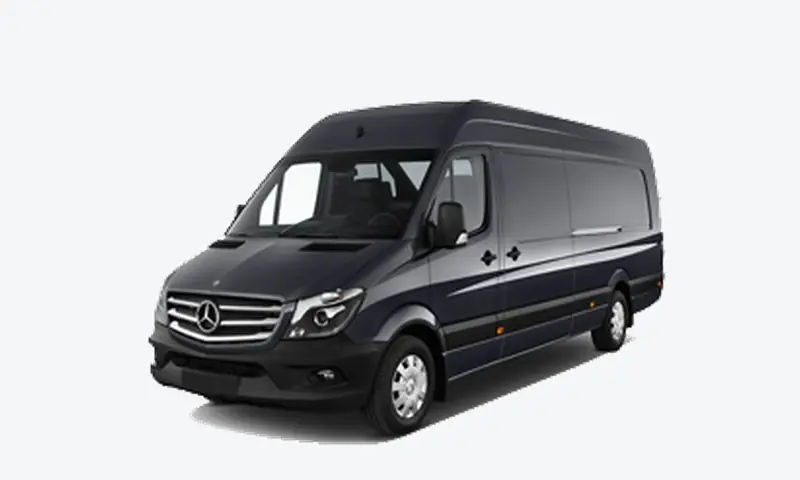
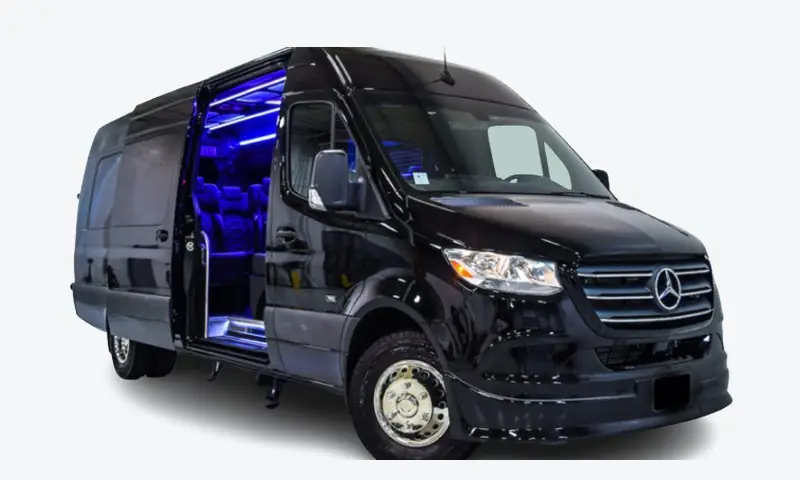
Families and groups with luggage. A saloon taxi boot takes two or three large cases. A Business SUV or Van carries six passengers and six large bags for a fixed US$160; an Executive Sprinter carries twelve and twelve for US$315. One vehicle replaces two taxis and two meters.
Night, weekend and holiday arrivals. The premium and special tariffs push the meter up. An Elly8.net fare is the same at 2am on a Sunday, or on Christmas Eve, as at noon on a Tuesday.
A fixed price in US dollars. The fare is agreed and charged in US$ before you fly, from US$120 in a business sedan to US$315 in a Sprinter, including the chauffeur, taxes, standard gratuity and meet and greet. Tolls and parking are billed at cost.
Being met inside. The chauffeur tracks the flight, waits in the arrivals hall with a name board and absorbs a late landing, because waiting is complimentary after a tracked landing. See airport meet and greet.
Trips beyond the city. The 30 km acceptance rule covers the city; a long run to Wicklow, Kilkenny or Galway on the meter gets expensive, and not every driver wants it. A fixed quote through the web booker, or a Dublin chauffeur by the hour, removes the uncertainty.
Business travel. A corporate account gives monthly invoicing, one desk for 141 cities and receipts in one currency, which finance teams prefer to a stack of euro taxi slips.
Typical runs from Dublin Airport
Clear-road drive times below are our routed estimates; allow 45 minutes or more at the weekday peaks.
| From Dublin Airport to | Routed distance | Clear-road time | Taxi estimate (Dublin Airport) | Elly8.net |
|---|---|---|---|---|
| Connolly Station | about 13 km (8 mi) | about 15 min | not published | quoted in the booker |
| Busáras | about 12 km (7 mi) | about 16 min | €25-40 | quoted in the booker |
| IFSC and Docklands | about 14 km (9 mi) | about 17 min | €30-45 (Dublin City) | quoted in the booker |
| Heuston Station | about 15 km (9 mi) | about 21 min | €40-50 | quoted in the booker |
| St Stephen's Green, city centre | about 17 km (11 mi) | about 25 min | €30-45 | from US$120 fixed |
Heading straight to a train at Heuston or Connolly? Our train station transfers page explains how the chauffeur times the drop to your departure.
Why the same ride can cost €30 or €45
The meter switches between distance and time. When the taxi is moving, it charges by the kilometre; when it is crawling along in traffic, it charges by the minute. On the standard daytime tariff, every minute spent stationary costs €0.47, so twenty extra minutes in a morning queue on the approach to the city adds roughly €9.40 to the fare. That is our own arithmetic from the published rates, not a quote, but it explains why Dublin Airport gives a range rather than a single figure.
The hour you land matters as much as the traffic, as the rate table above shows: an early-morning weekday arrival, a Sunday or a bank holiday starts on the premium rate, and the special rate covers the small hours of weekend mornings and the Christmas and New Year nights.
None of this makes the taxi a bad deal. It simply means the fare is unknown until the end of the ride, which is fine for one or two people and less comfortable for a family on a budget who would rather know the number in advance.
Taking a taxi back to the airport
Going home, you can hail a taxi on the street, take one from a hotel rank, or order one by app or phone, which adds the €3 pre-booking fee. Taxis drop at the set-down zones in front of each terminal. If you are flying to the United States, allow for US preclearance: Dublin Airport runs US flights from Terminal 2, recommends arriving three hours before a long-haul departure, and lists peak security times in Terminal 2 as 05:00 to 12:00.
A pre-booked return transfer costs the same fixed fare as the arrival, from US$120 in a business sedan, and the round trip from the airport to the city and back is US$230 in a business sedan or US$600 in an Executive Sprinter. Booking both legs together means the car is already arranged for an early departure, when hotel taxi queues can be long.
Booking a fixed-price car instead
- Enter pickup and drop-off with your flight number on the Dublin car service page.
- Choose the vehicle by passengers and bags.
- Reserve now in US$, or use the web booker for any other address. Confirmation comes by email.
Cancellation is free more than 72 hours before pickup, 10% at 72 hours or less, 50% at 48 hours or less, and 100% at 24 hours or less or for a no-show, refunded to the original card.
For the wider argument, see chauffeur vs taxi and chauffeur vs Uber and Lyft, or our piece on whether a private driver is worth it into the city.
Frequently asked questions
How much is a taxi from Dublin Airport to Dublin city?
Dublin Airport estimates €30-45 to the city on the meter, depending on traffic and the time of day. The standard daytime rate is €1.32 per km after a €4.40 initial charge, with higher tariffs at night, on Sundays and on public holidays. Add €1 per additional adult and any tolls.
Where is the taxi rank at Dublin Airport?
Directly outside arrivals at both Terminal 1 and Terminal 2. Taxis wait there at all hours, and dispatchers outside each terminal help with queries and larger groups. Follow the taxi signs after you leave the arrivals hall with your bags.
Is Uber cheaper than a taxi at Dublin Airport?
Not usually. In Ireland, ride-hailing apps book licensed taxis that run on the same national meter, and booking by app adds a €3 pre-booking fee. You get the same car and the same meter as at the rank, with the convenience of the app.
Can a Dublin taxi driver refuse a short trip from the airport?
Passengers are entitled to take a taxi for journeys of up to 30 km, which covers the city and most of County Dublin. Fares must be calculated on the meter, and you are entitled to a printed receipt. Complaints go to the National Transport Authority.
When is a pre-booked car better than a Dublin Airport taxi?
When you are a family or group with more than two or three large cases, landing at night or on a holiday, travelling beyond the city, or want a fixed price in US$ with the chauffeur waiting inside arrivals. A business sedan is US$120 and a six-seat SUV US$160, fixed and per vehicle.
Do Dublin taxis add a charge for luggage?
There is no luggage charge in the national fare. The permitted extras are €1 per additional adult, €1 for every two children under 12 after the first child, a €3 pre-booking fee, tolls as incurred and a soiling charge of up to €140. Drivers must offer reasonable help with bags.