










Car rental vs Uber is not really a contest of daily rate against fare. A rental gives you a car for every hour of every day you hold it, and charges you for all of those hours, plus fuel, parking and the time it takes to collect and return it. An app ride gives you a car only for the minutes you are in it, priced at the moment you request, with no parking and no driving. Which one is cheaper depends on how much you will actually drive, where you will leave the car, and how much of the trip is a single long drive you would rather not do yourself.
Denver is a good place to work this through, because one trip often contains all three kinds of travel: a long airport run, a few days in a walkable downtown, and a drive into the mountains on Interstate 70. This guide uses the airport's own published fares and rules, Colorado's winter driving law, and the fixed Elly8.net prices, and it says plainly where a rental car is the right answer. Often it is.
Is it cheaper to rent a car or use Uber?
For a short city stay, app rides or transit usually cost less than renting, because a rental is paid around the clock and parking adds up. For several days of driving or a road trip, a rental usually wins. For one long, demanding drive, such as Denver airport to Vail in winter, a chauffeur is worth pricing.
Most travellers get the answer wrong in one of two ways: they compare a rental's daily rate with a single app fare, or they forget that a rental car is a car they must park every night. A fair comparison counts every cost and every hour.
What a rental car really costs
The quote on a rental website is the start of the bill, not the end. Before comparing it with anything, add:
Taxes and fees on the quote. Read the final price, not the headline daily rate.
Fuel. Every mile you drive is your fuel.
Parking. Downtown hotels and garages charge for parking, and in a city centre that can be a nightly cost on top of the rental itself.
Collection and return time. At Denver International Airport, rental car agencies are on airport property but reached by a courtesy shuttle from Jeppesen Terminal Level 5, Island 4, outside doors 505 to 513 on the east side and 504 to 512 on the west side, according to DEN's rental car page. Add the shuttle and the counter to your arrival, and again to your departure.
Winter equipment. Colorado's traction law can apply to passenger cars on I-70, which is covered below. If you are renting for the mountains in winter, ask exactly what tyres the car has.
You are the driver. That is a cost too: no calls, no rest, no glass of wine at dinner, and full concentration on a mountain highway after a flight.
What app rides really cost
App rides have the opposite profile: no fixed daily cost, but every trip is priced separately at the moment you request, based on distance, expected time, tier and demand. A day with three short rides at quiet times can be cheap. A day with an airport run in the evening peak, a concert at Red Rocks and a 1 a.m. return can be expensive, and some of those pickups may involve long waits.
At Denver International, app pickups are on Island 5 on either side of the terminal, and the airport asks riders to wait until they have their bags before requesting, on its ride-share page. App rides into the mountains are a different matter: a long one-way trip, with the driver returning empty, is not what the apps are designed around, and availability for the return leg from a mountain town is not something to count on.
The Denver benchmarks
The airport and the transit agency publish real numbers for the first leg of most trips.
| From Denver International to | Official option and fare | Elly8.net fixed price, per vehicle |
|---|---|---|
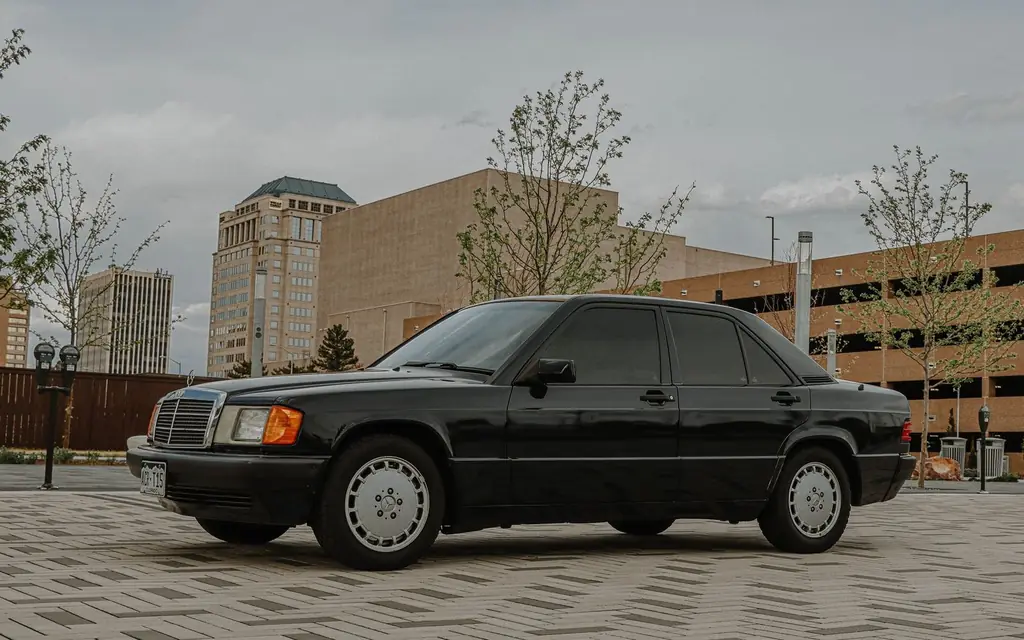
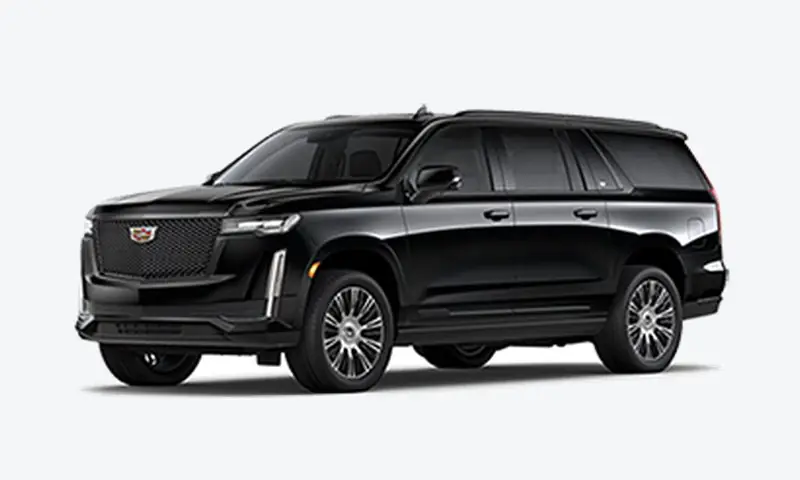
| Downtown (Zone A) | Taxi flat rate US$72.04, airport access fee included | US$225 business sedan, US$295 Business SUV |
| Denver Tech Center (Zone B) | Taxi flat rate US$80.04 | priced in the booker |
| Boulder (Zone C) | Taxi flat rate US$115.04 | priced in the booker |
| Union Station by train | RTD A Line, US$10 Airport Day Pass | US$225 business sedan to LoDo and Union Station |
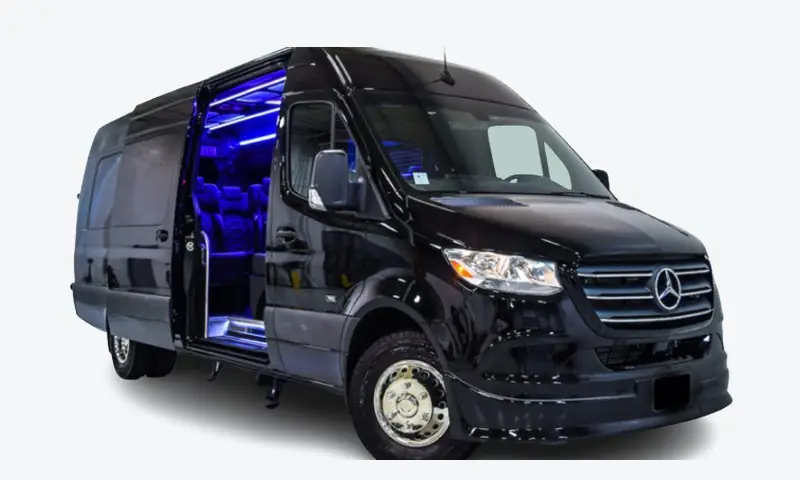
| Vail Village, about 121 mi (194 km) | No taxi flat rate published | US$715 business sedan, US$930 Business SUV, US$1,860 Executive Sprinter |
Sources: DEN taxi rates and RTD fares. DEN also notes that metered taxi trips to other metro destinations, such as Cherry Creek, typically cost US$75 to US$95 plus a US$6.04 airport access fee.
For one traveller heading downtown, the US$10 A Line is outstanding value, and we would recommend it. For two people, the US$72.04 taxi flat rate is fair. The fixed car earns its price for groups, late arrivals and the mountain run.
Worked example 1: four days in downtown Denver
A couple flies in for four days in LoDo and the Golden Triangle: museums, restaurants, a game at Ball Arena, one evening at Red Rocks.
Rental car. Four days of rental plus taxes, fuel and four nights of downtown parking, plus the shuttle at each end. Most of the time, the car sits in a garage while they walk.
Transit and apps. The A Line in from the airport for US$10 each, walking downtown, a few app rides across town, and the A Line back. The one ride that may cost real money is the return from Red Rocks.
A fixed car for the night that matters. The Red Rocks evening is where a booked car helps: the venue sets specific drop-off and pickup lots for limousines, and the evening out and event night package covers five hours with the car waiting, from US$475 in a business sedan.
Verdict: no rental. Transit and apps for the city, and if you want certainty for the concert, one fixed booking for that night. Our Denver car service page lists every package.
Worked example 2: a ski week in Vail
A family of four lands at Denver International in January with skis, boots and four large cases, heading to Vail for six nights.
The drive. Vail Village is about 121 miles (194 km) from DEN, roughly two and a half hours on a clear road, almost all of it on I-70. Discover Vail notes on its getting-here page that Fridays westbound and Sundays eastbound are the busiest days on I-70, and that Highway 6 over Loveland Pass is the alternative if the interstate closes, though it can close too.
The law. On I-70 between Morrison and Dotsero, the Colorado Department of Transportation can enforce its traction law from September 1 to May 31. When it is in effect, passenger vehicles need tyres with at least 3/16 inch of tread rated all-weather, M+S or winter, or chains or an approved alternative traction device; non-compliance carries a US$100 fine plus a US$33 surcharge, rising to US$500 plus US$157 if it causes a lane closure, according to CDOT.
Rental car. A week of rental for a vehicle big enough for four people and their ski gear, with suitable tyres, plus fuel and parking at the lodge. Then the drive itself, after a flight, in winter, at altitude, on the busiest day of the week.
App ride. Not a realistic plan for this trip: a 121-mile one-way run with skis, and no assurance of a return ride from the mountains a week later.
Fixed chauffeur. A Business SUV seats six with six bags, so it fits four people, cases and ski bags comfortably: US$930 from DEN to Vail Village, fixed, with the return the same price. Once in Vail, the family does not need a car: Vail Village and Lionshead are built for walking, and Core Transit's Valley route runs fare-free on most trips within the valley, with fares applying only to and from the regional airport, Gypsum and Leadville, per Core Transit.
Verdict: it depends on the rest of the week. If the family wants to drive to other resorts and explore, a rental with proper winter tyres makes sense, and they should budget for it honestly. If the plan is to ski Vail and walk the village, a fixed transfer each way and no car for the week is often simpler, and can be competitive once a week of rental, fuel and lodge parking is added up. Flying into Eagle County Regional Airport shortens the transfer to about 36 miles (57 km), from US$420 in a Business SUV. See the Vail car service page, and for the neighbouring resort, the Aspen page.
Where a rental car clearly wins
- Road trips. Several towns, national parks, flexible days.
- Long stays with daily driving. A week of visiting family in the suburbs, say.
- Remote places. Where app rides are thin and taxis are far away.
- Budget travel with a full car. Four people sharing one rental for a week is hard to beat on cost.
Where app rides clearly win
- Short city stays. Two or three days in a walkable downtown with a good train from the airport.
- A few rides a day. Where each ride is short and quiet hours are the norm.
- No parking. When the hotel charges for parking every night.
Where a fixed chauffeur fits
- One long, demanding drive. The airport to a mountain resort in winter, or a city-to-city run after a long flight.
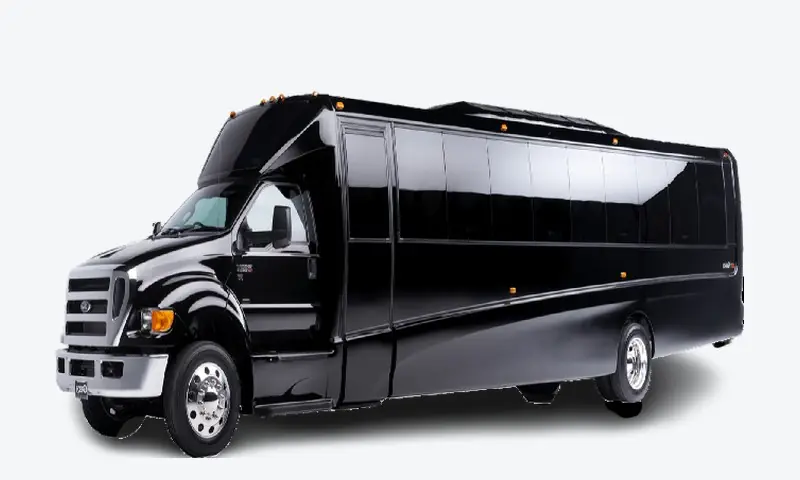
- Groups. An Executive Sprinter seats 12 with 12 bags, one vehicle instead of two rentals or several app rides.
- The nights that matter. A concert, a wedding, a client dinner.
- Work. A corporate roadshow day or a city-to-city car service lets you work while someone else drives.
The comparison across all three is also on our chauffeur vs car rental page, and chauffeur vs Uber and Lyft covers the app side. If the question is what a long app ride costs, see how much an hour-long Uber ride costs, and for the airport run alone, airport taxi cost.
How booking a fixed transfer works
Enter the airport, flight number and destination, choose the vehicle and reserve; confirmation arrives by email. The flight is tracked, the chauffeur meets you inside arrivals with a name board, and complimentary waiting after a tracked landing is included. Child seats are available on request. Tolls, parking and waiting beyond the included time are billed at cost. Cancellation is free more than 72 hours before pickup; 72 hours or less costs 10%; 48 hours or less 50%; 24 hours or less or a no-show 100%. In Denver and Vail, rides are operated by licensed, commercially insured local chauffeur partners vetted through the Limousine Worldwide network; Elly8.net takes the booking, fixes the price and runs the 24/7 desk.
Frequently asked questions
Is it cheaper to rent a car or use Uber in Denver?
For a short downtown stay, transit and app rides are usually cheaper: the RTD A Line from the airport is US$10 with the Airport Day Pass, and downtown is walkable. A rental adds parking and sits idle most of the day. For a week of driving around the region, a rental usually costs less than many app rides.
Can you take an Uber from Denver airport to Vail?
App rides are built for local trips, and a 121-mile one-way mountain run with ski gear, plus a return a week later, is not something to rely on an app for. A fixed transfer from Denver International to Vail Village is US$715 in a business sedan and US$930 in a Business SUV, the same price in either direction.
Do rental cars need snow tyres for I-70?
When Colorado's traction law is in effect on I-70 between Morrison and Dotsero, passenger vehicles need tyres with at least 3/16 inch of tread rated all-weather, M+S or winter, or chains or an approved traction device. CDOT can enforce it from September 1 to May 31. Ask the rental company exactly what tyres the car has.
What costs does a rental car quote leave out?
Usually fuel, parking at hotels and venues, and your own time collecting and returning the car. At Denver International, the rental lots are reached by a courtesy shuttle from Level 5, Island 4, which adds time at each end of the trip. Read the final price including taxes and fees, not the daily rate.
When is a chauffeur better than both a rental and Uber?
For one long or demanding drive, such as the airport to a mountain resort in winter, for groups that would need two vehicles, and for evenings where the ride home matters. Elly8.net prices are fixed per vehicle, include standard gratuity, and an Executive Sprinter carries 12 people with 12 bags.