

Lisbon to Porto is about 313 km (194 mi) by road from Avenida da Liberdade to Porto's Ribeira, roughly three and a half hours on a clear road by our routed estimate, almost all of it on the motorway north. Direct, it is a comfortable half-day in the back of a car. With two or three stops, it becomes one of the best days of a Portugal trip.
Most travellers from North America face this question because they fly into one city and out of the other, or because they want both cities in one week. This guide covers the direct drive, the classic stops between the two, the train as an alternative, and what a private car costs.
How long is the drive from Lisbon to Porto?
By our routed estimate, central Lisbon to central Porto is about 313 km (194 mi) and about 3 hours 27 minutes on a clear road. From Lisbon airport it is about 306 km (190 mi) and 3 hours 20 minutes. Allow longer for traffic leaving Lisbon, a rest stop and the slow final approach into Porto's old town.
The route is straightforward: north out of Lisbon on the motorway, past the turnings for Fátima and Leiria, through the Coimbra area and up the coast plain to Porto. Tolls on the motorway are billed at cost on an Elly8.net booking, never marked up. The slow parts are at the ends: the morning exit from Lisbon on a weekday, and the narrow, steep streets of Porto's Ribeira and Sé, where the car may only reach the nearest point where it can legally stop.
The five stops worth making
The drive is short enough to fill with sightseeing. These are our routed estimates for each leg on a clear road, in the order you would meet them going north on the classic route.
| Leg | Distance | Clear-road drive |
|---|---|---|
| Lisbon to Óbidos | 84 km / 52 mi | about 1 hr 2 min |
| Óbidos to Nazaré | 39 km / 24 mi | about 32 min |
| Nazaré to Batalha | 34 km / 21 mi | about 33 min |
| Batalha to Coimbra | 87 km / 54 mi | about 1 hr 6 min |
| Coimbra to Aveiro | 63 km / 39 mi | about 51 min |
| Aveiro to Porto (Ribeira) | 73 km / 45 mi | about 59 min |
All five in one day is too many; the driving alone adds up to about five hours. Pick two or three.
Óbidos. A walled hilltop town an hour north of Lisbon, small enough to walk round in an hour. The car sets you down by the gate and waits. The municipality of Óbidos publishes its events, including the seasonal festivals that fill the streets.
Nazaré. A fishing town on the Atlantic with a long beach, a clifftop quarter reached by funicular and, in winter, the giant waves that made it famous with surfers. A good place for a seafood lunch with the sea in view.
Batalha. The Monastery of Batalha, a UNESCO World Heritage site, is one of the great Gothic buildings of Portugal, and it sits just off the main route. An hour inside is enough for most visitors.
Coimbra. The old university city on the Mondego river, roughly halfway. The University of Coimbra, Alta and Sofia is also a UNESCO World Heritage site. The upper town is steep, and the chauffeur can drop you at the top so the walk is downhill.
Aveiro. Canals, painted moliceiro boats and Art Nouveau façades, an hour south of Porto. The Câmara Municipal de Aveiro covers the town. A short detour reaches the striped beach houses of Costa Nova, about 13 km (8 mi) away by our routed estimate.
Fátima is the other common stop, about 128 km (79 mi) from Lisbon and 85 km (53 mi) from Coimbra by our routed estimates. Pilgrimage dates change the town completely, so check the calendar before you include it.
Three ways to plan the day
Direct, with one break. Hotel to hotel in roughly four hours with a coffee stop. Best for travellers with a dinner booked in Porto, or for a departure day when you want to arrive in good time for an evening flight from Porto.
Heritage day. Lisbon after breakfast, Óbidos mid-morning, lunch in Nazaré, Batalha in the afternoon and Porto by early evening. About seven to eight hours door to door.
Universities and canals. Lisbon to Coimbra for a late morning and lunch, Aveiro in the afternoon, Porto for dinner. Fewer stops, more time in each.
Whatever you choose, the luggage stays in the car all day, locked and watched. That is the single biggest difference from doing the same day by train and bus.
The train: a fair comparison
Comboios de Portugal runs Alfa Pendular and Intercidades services, among others, and the Lisbon to Porto line is one of its main routes. For one or two people who travel light and want the fastest door-to-door time between central stations, the train is a very good option, and usually the cheapest. Check times and fares on the CP website, because they vary by service, class and how far ahead you book.
What the train cannot do is stop in Óbidos or Batalha on the way. Doing the stops by rail and bus means several separate journeys and a lot of luggage handling, or leaving the bags at a hotel and coming back. The other practical difference is the ends of the trip: a station to your Porto hotel is a second ride, and Porto's old town is steep.
| Factor | Train | Private car with chauffeur |
|---|---|---|
| Direct journey time | Fast between main stations | About 3.5 hours city to city on a clear road |
| Stops on the way | Not practical with luggage | As many as you choose |
| Luggage | Carry on and off; transfers at each end | Loaded once, door to door |
| Groups | Price per person | One fixed price per vehicle |
| Airports | Separate transfer to and from stations | Airport arrivals to Porto hotel possible |
| Best for | Solo and couples travelling light | Families, groups, sightseeing days, open-jaw trips |
Driving yourself or being driven
Some travellers from North America consider renting a car for this leg. On the open motorway it is an easy drive, and Portugal drives on the right, as at home. The difficulties are at the ends and in between. Leaving Lisbon on a weekday morning means city traffic before the motorway begins, and arriving in Porto means narrow, steep, often one-way streets in the old town, where parking is scarce and many hotels have no garage. Add tolls, fuel, parking and the cost of returning a rental car in a different city from where you collected it, and the arithmetic changes.
The other consideration is the day itself. If the plan includes a long lunch in Nazaré or a tasting on the way, the person driving cannot enjoy it the same way. A chauffeur drives, waits at each stop, keeps the luggage secure and follows local rules on everything inside the vehicle. Our guide to chauffeur vs car rental sets out the general trade-offs.
Timing the departure
For a direct transfer, a mid-morning start from Lisbon avoids the worst of the weekday traffic out of the city and still puts you in Porto in time for a late lunch. For a day with stops, leave earlier, around 08:30, so that the sights are reached before the coach groups and you arrive in Porto before dark in winter. On a Sunday or a public holiday the exit from Lisbon is usually easier, but museums and monuments may keep different hours, so check them before you set the plan. Tell the desk your hotel check-in time in Porto and we suggest a pickup time to match.
What a private Lisbon to Porto transfer costs
A one-way Lisbon to Porto drive is not on the published price list, because the stops, the timing and the vehicle change the job. Enter the route in the web booker with any stops you want, and you receive a fixed, all-in price per vehicle before you pay. The price includes the chauffeur, the vehicle, taxes and standard gratuity; tolls, parking and waiting beyond the included time are billed at cost. It is always per vehicle, never per person. See our city to city car service page for how these transfers work.
The published fares at each end help with the rest of the trip:
- Lisbon airport (LIS) to Avenida da Liberdade: from US$90 in a business sedan to US$235 in an Executive Sprinter. See the Lisbon car service page.
- Porto airport (OPO) to Ribeira: from US$100 in a business sedan to US$260 in an Executive Sprinter. See the Porto chauffeur page.
- By the hour in either city: from US$85 in a business sedan to US$170 in a Sprinter, with a 3-hour minimum.
Every airport fare is the same fixed price in either direction, so the Porto departure on your last morning costs the same as an arrival.
Open-jaw trips: land in Lisbon, leave from Porto
Flying into Lisbon and home from Porto, or the reverse, saves a day of backtracking and is common on itineraries from North America. Two practical points:
- Day one in Lisbon. After an overnight flight, most travellers want a hotel bed, not a drive north. Book the Lisbon airport transfer, rest, and make the drive a sightseeing day later in the week.
- The last morning in Porto. OPO sits north of the city towards the coast. Give us your flight time and hotel, and the desk sets the pickup with the old-town access in mind.
The chauffeur tracks every airport pickup by flight number and waits in arrivals with a name board; waiting after a tracked landing is complimentary. Our airport transfers page explains the meeting in more detail.
Choosing the vehicle for a day on the road
The fleet capacities are fixed, and on a full day with luggage they matter:
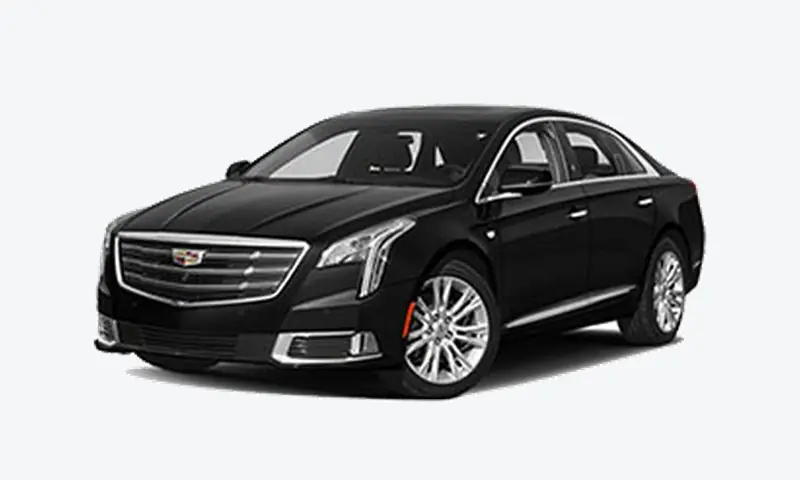
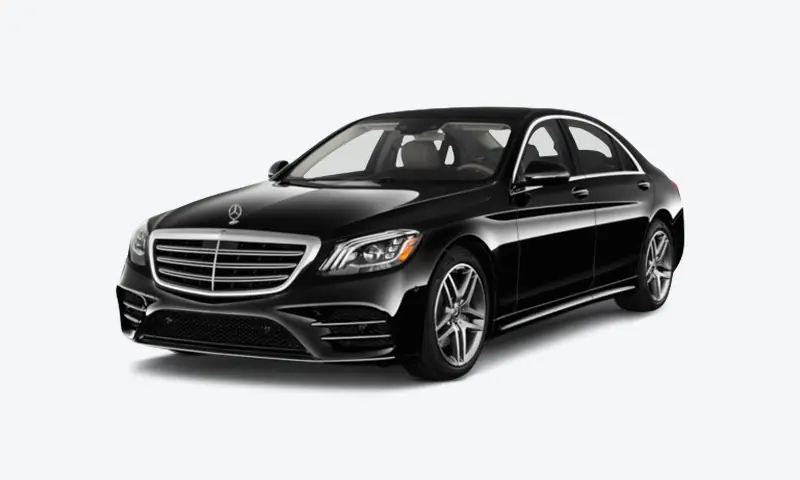
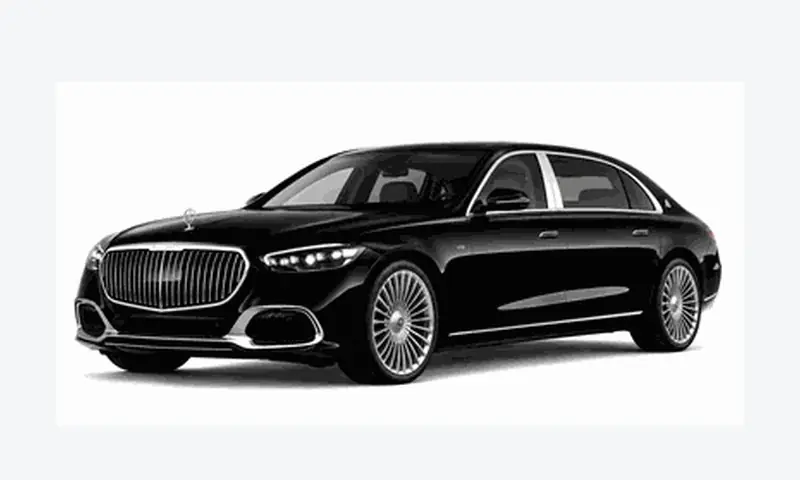
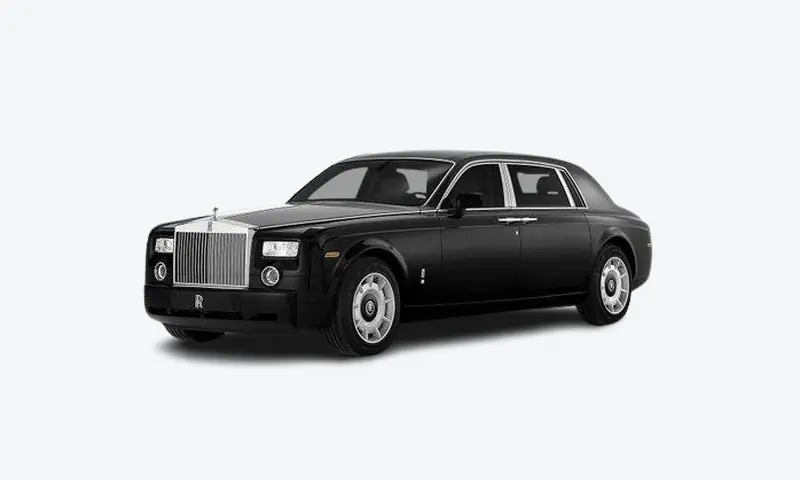
- Business Sedan or First Class Sedan: up to three passengers and two bags. A couple with two large cases fits; a couple with three does not.
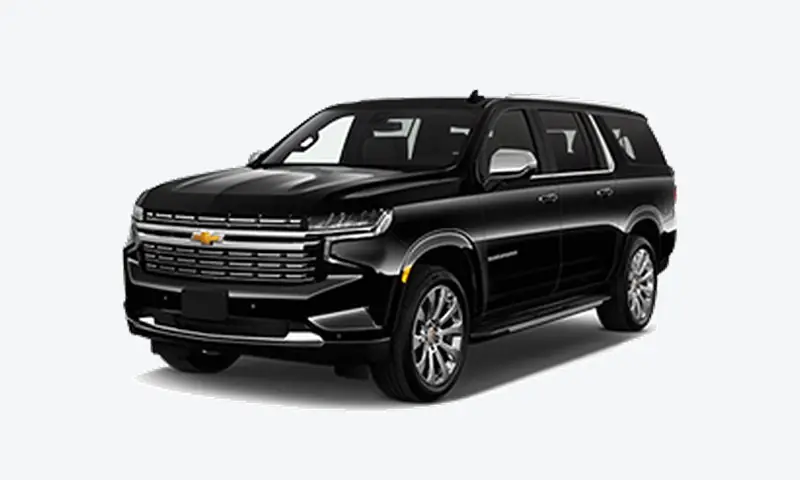
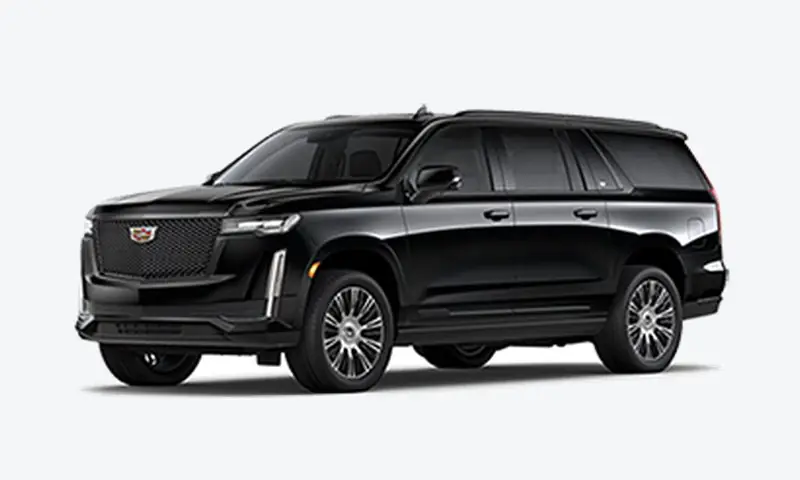
- Business SUV or First Class SUV: up to six passengers and six bags. The usual choice for a family or two couples moving cities with luggage.
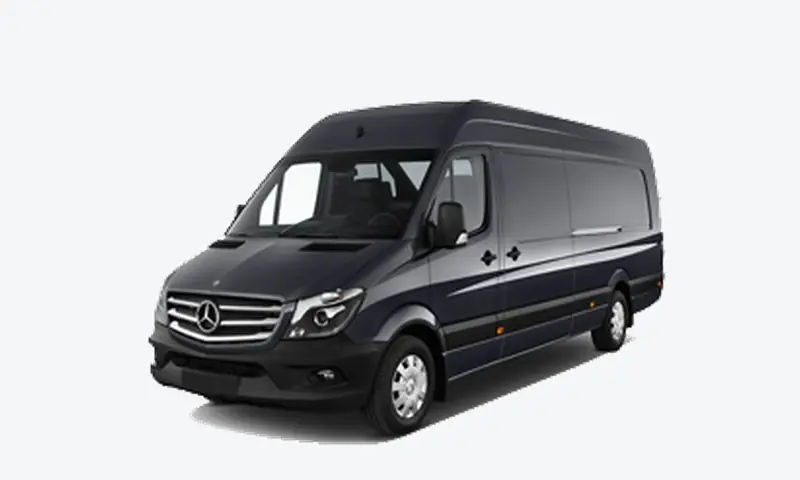
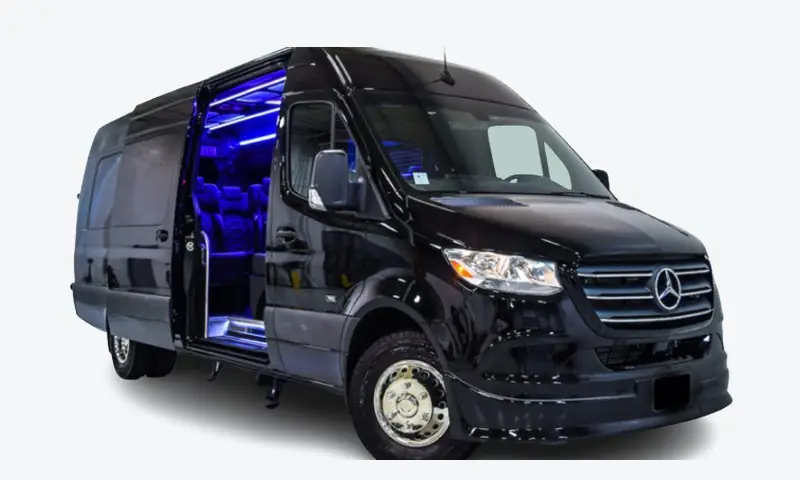
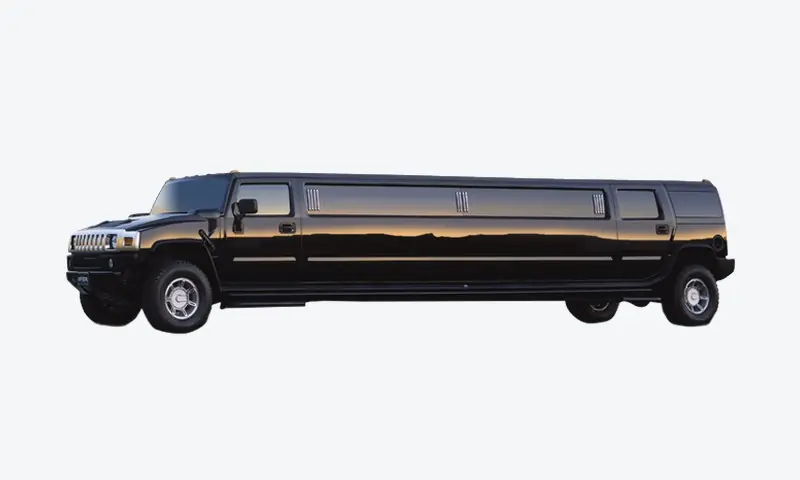
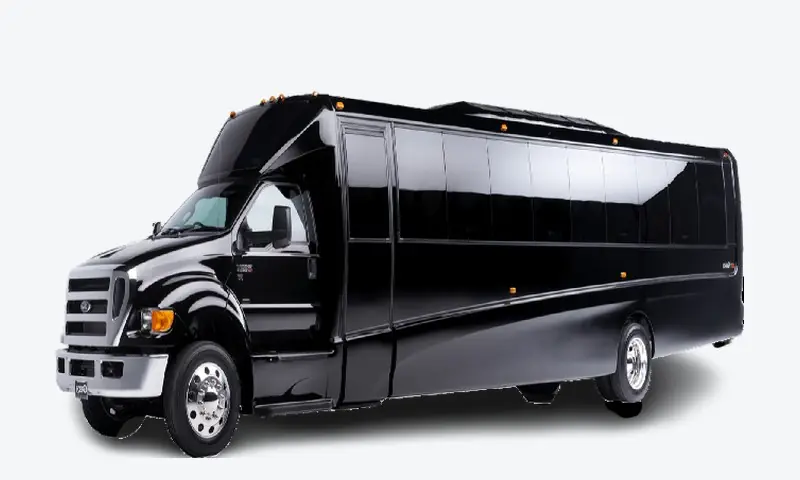
- Executive Sprinter: up to twelve passengers and twelve bags, for groups and extended families.
Child seats are fitted on request; give the ages when you book. The fleet page shows the models in each class.
What to do once you arrive in Porto
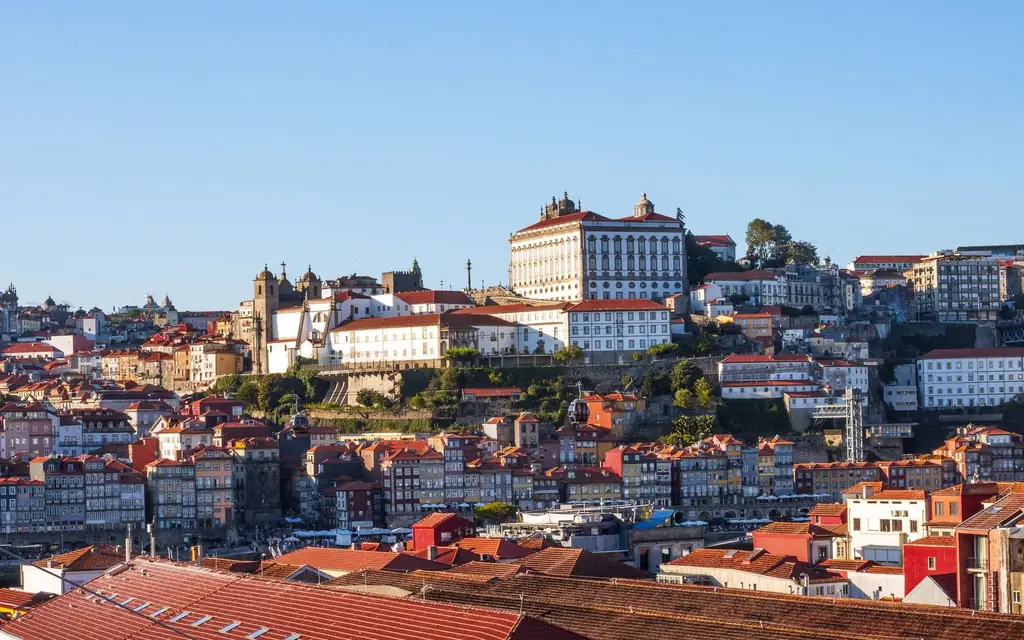
The drive ends in a city built on hills above the Douro. The Historic Centre of Oporto, with the Luiz I Bridge and the Monastery of Serra do Pilar, is a UNESCO World Heritage site and best explored on foot. For getting around, our guide to Porto taxi vs Uber vs private car sets out what each option costs and when it suits. For the days that follow, see the Porto day trip guide and our comparison of the Porto to Douro Valley transfer by train or car.
Rides in Porto and Lisbon are operated by licensed, commercially insured local chauffeur partners vetted through the Limousine Worldwide network; Elly8.net takes the booking, fixes the price and runs the 24/7 desk.
Booking the drive
- Pickup and drop-off. Enter your Lisbon hotel or the airport, your Porto hotel, and any stops, in the web booker.
- Vehicle. Choose the class that fits passengers and bags, and add child seats.
- Confirm. Accept the fixed price and pay by card in US dollars. Confirmation arrives by email.
Cancellation is free more than 72 hours before pickup; 10% at 72 hours or less; 50% at 48 hours or less; 100% at 24 hours or less or for a no-show. Refunds go to the original card.
Elly8.net books the car only; for flights and hotels our travel partner is BookingWorldwide.net. Elly8.net is a member of LimousineWorldwide.Directory, LimousineAssociation.International, HotelsWorldwide.Directory and VacationsWorldwide.Directory. Heading on into Spain? The same desk covers Madrid and Seville.
Frequently asked questions
How far is Lisbon from Porto by car?
About 313 km (194 mi) from central Lisbon to central Porto by our routed estimate, roughly 3 hours 27 minutes on a clear road. From Lisbon airport it is about 306 km (190 mi). Traffic leaving Lisbon and the old-town streets in Porto can add time at either end.
How much does a private car from Lisbon to Porto cost?
The one-way drive is quoted through the web booker as a fixed, all-in price per vehicle, which depends on the vehicle class and any stops you add. It includes the chauffeur, taxes and standard gratuity. Tolls and parking are billed at cost, and you see the price before you pay.
Can we stop at Óbidos, Nazaré or Coimbra on the way?
Yes. Add the stops in the web booker when you request the quote. Two or three stops make a comfortable full day; all five classic stops add about five hours of driving alone, which is too much for most travellers in one day.
Is the train faster than driving?
Between the main stations the train is fast and usually cheaper for one or two people travelling light. A car wins when you have luggage, a group, stops on the way, or an airport at one end, because it goes door to door with the bags loaded once.
What size car do we need for four people with suitcases?
A Business SUV or First Class SUV, which carries up to six passengers and six bags. A sedan takes three passengers and two bags. For larger groups, an Executive Sprinter carries up to twelve passengers and twelve bags in one vehicle.
Can we start the drive at Lisbon airport?
Yes. Give us your flight number and the chauffeur tracks the landing and meets you in arrivals with a name board. After an overnight flight, many travellers prefer a night in Lisbon first and make the drive a sightseeing day later.