




A Barcelona taxi in 2026 starts at €2.80 and charges €1.35 per kilometre on weekdays from 8:00 to 20:00, or €1.66 per kilometre on weekday evenings, nights, Saturdays and public holidays. Supplements apply for the airport and the cruise dock (€4.60), for rides starting at Fira Gran Via (€3.30) or Sants station (€2.55), and for five to eight passengers (€4.60). Any ride starting at the airport costs at least €21.
For most trips around the city, the yellow-and-black taxi is quick, cheap and easy to find. The real variable is the wait: after a big show at Fira, a match, a cruise turnaround or a wet Friday night, every kind of car is scarce. This guide decodes the tariffs, explains ranks, hailing and apps, and says plainly when a pre-booked Elly8.net car, from US$105 per vehicle from the airport or US$85 an hour in the city, is the better choice.
How much is a taxi in Barcelona?
In 2026, a Barcelona taxi costs €2.80 to start plus €1.35 per km on weekdays from 8:00 to 20:00, or €1.66 per km at night, at weekends and on holidays. Waiting time is €27.75 an hour. Airport and cruise-dock trips add €4.60, and any ride from the airport costs at least €21.
These are the urban tariffs approved for the metropolitan area and published by the AMB, the Àrea Metropolitana de Barcelona (AMB, taxi fares 2026). They apply between the municipalities of the metropolitan area. Beyond it, for example to Montserrat or along the coast, the Generalitat de Catalunya sets the intercity fares.
A taxi cannot surge. The tariff is the same whether the city is quiet or full, which is the main difference from a rideshare app.
See Barcelona prices and reserve
Every Barcelona taxi tariff, explained
| Tariff | When it applies | Start | Per km | Waiting |
|---|---|---|---|---|
| T-1 | Working days, 8:00 to 20:00 | €2.80 | €1.35 | €27.75 per hour |
| T-2 | Weekdays 20:00 to 8:00, Saturdays, public holidays | €2.80 | €1.66 | €27.75 per hour |
| T-3 | Fixed price, booked through approved taxi apps | Minimum €8 | Calculated in advance | Includes 5 minutes |
| T-4 | Airport to or from the Moll Adossat cruise dock | €46 fixed | All supplements included | Included |
| Supplement | Amount |
|---|---|
| Airport, as origin or destination | €4.60 |
| Moll Adossat cruise dock, as origin or destination | €4.60 |
| Fira Barcelona Gran Via, as origin | €3.30 |
| Estació de Sants, as origin | €2.55 |
| Vehicles carrying 5 to 8 passengers | €4.60 |
| Night before 24 June, 25 December and 1 January, 20:00 to 8:00 | €4.60 |
Three other rules are worth knowing. Any ride with the airport as its starting point costs at least €21, all supplements included. Taxis booked by phone or app have a minimum charge from €8. And if you ask for a route with tolls, you pay the toll, including the return toll.
The T-3 fixed price. Through approved taxi mediation apps, you can book a taxi at a price fixed before the ride. The AMB's own mobility app, AMB Mobilitat, includes this option: enter a destination and it calculates the total with all supplements included, or skip the destination and the ride runs on the meter. The fixed price covers travel to your pickup and five minutes of waiting, and the meter reads zero during the ride.
Beyond the metropolitan area. Once a trip leaves the metropolitan area, for example to Montserrat, Sitges or the Costa Brava, the urban tariffs stop applying and the Generalitat de Catalunya's intercity fares take over. A taxi will take you, but the price is no longer the city meter, and finding one for the return from a mountain monastery or a coastal town is your problem, not the driver's. For those days, a car that waits is usually the better plan.
What typical rides cost
The meter adds waiting time in traffic, so these figures are floors: simple arithmetic on the 2026 tariffs using our routed distances, distance only.
- Passeig de Gràcia to the Sagrada Família, 2.4 km (1.5 mi): about €6 on a weekday.
- Passeig de Gràcia to the Camp Nou, 4.8 km (3.0 mi): about €9 on a weekday, about €11 on a Saturday.
- Passeig de Gràcia to the Parc del Fòrum, 6.5 km (4.1 mi): about €14 at night under T-2.
- Fira Gran Via to Passeig de Gràcia, 6.7 km (4.2 mi): about €15 on a weekday, including the €3.30 Fira supplement.
- Sants station to the Port Olímpic, 6.9 km (4.3 mi): about €15 on a weekday, including the €2.55 Sants supplement.
- El Prat Terminal 1 to Passeig de Gràcia, about 17 km (11 mi) by our routed estimate: about €30 on a weekday with the airport supplement, before traffic.
Inside the city, then, taxis are inexpensive. No pre-booked car competes with them on price for a short hop, and we would not suggest one for that.
Finding a taxi: hailing, ranks and apps
Hailing on the street. The AMB says you can flag a taxi down on the street; when the light module on the roof is green, the taxi is free, and corners are the best place to stop one safely (AMB, raising a hand). In the Eixample grid, with its wide avenues and chamfered corners, this is usually quick.
Ranks. There are more than 300 signed taxi ranks in the metropolitan area, about 70% of them in Barcelona (AMB, taxi ranks). At a rank, you take the first taxi in line; you may choose another only for an objective reason, such as the state of the vehicle or the payment method. Drivers may not pick up passengers within 50 metres of a rank, so if you are standing close to one, walk to it.
At the airport. Aena locates taxi ranks opposite the arrivals areas, on the ground floor at Terminal 1 and at T2A, T2B and T2C, with separate lines for reserved and unreserved taxis (Aena, taxi at El Prat).
By phone or app. Radio taxi companies take phone bookings, the AMB Mobilitat app and other approved apps book taxis, and rideshare apps can request a licensed taxi too.
Paying. You can pay in cash or by card where the taxi shows that card payment is accepted, and drivers must carry at least €20 in change. Ask for a printed receipt with the price, origin, destination, date, licence number and registration; it is what you need for a complaint or a lost item.
Luggage, wheelchairs, pets and the rules at the rank
The AMB's rank rules answer several questions travellers ask. Drivers cannot refuse guide dogs accompanying blind passengers, and cannot refuse to carry wheelchairs. Pets travelling with their owners are accepted at the driver's discretion. A driver may refuse a passenger who is clearly intoxicated, or whose luggage looks likely to cause serious damage to the vehicle.
When several people claim the same taxi on the street, the rules set a priority: first those on the pavement in the taxi's direction of travel, then people with disabilities, older passengers, the sick, pregnant women and people with small children.
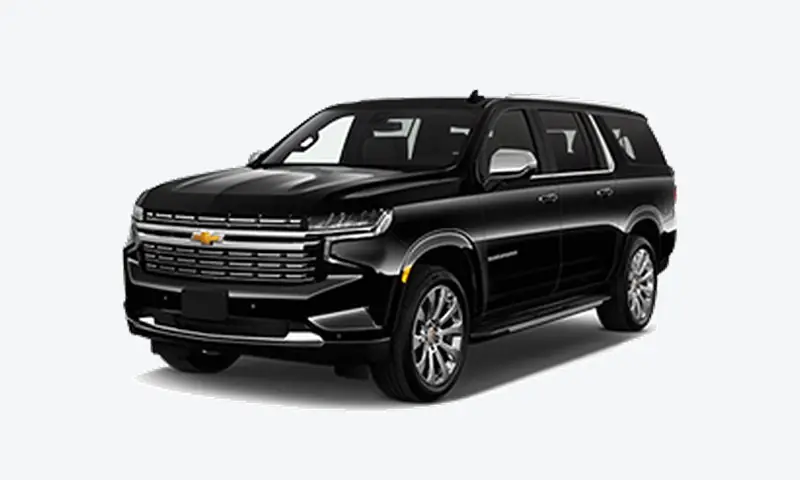
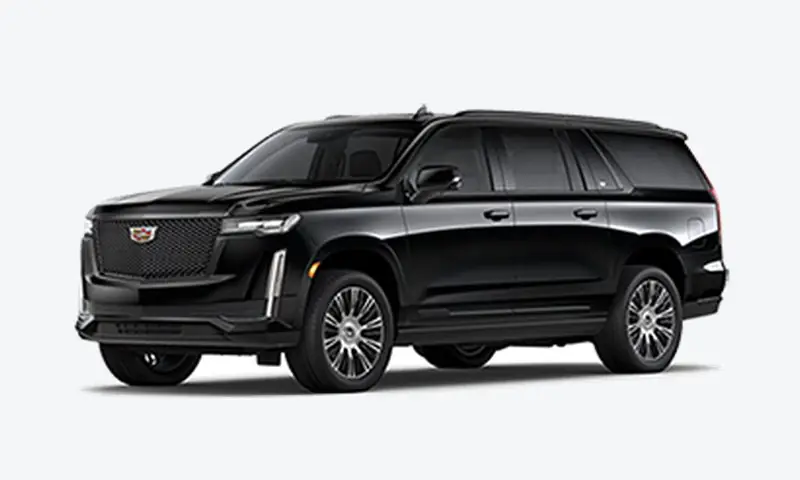
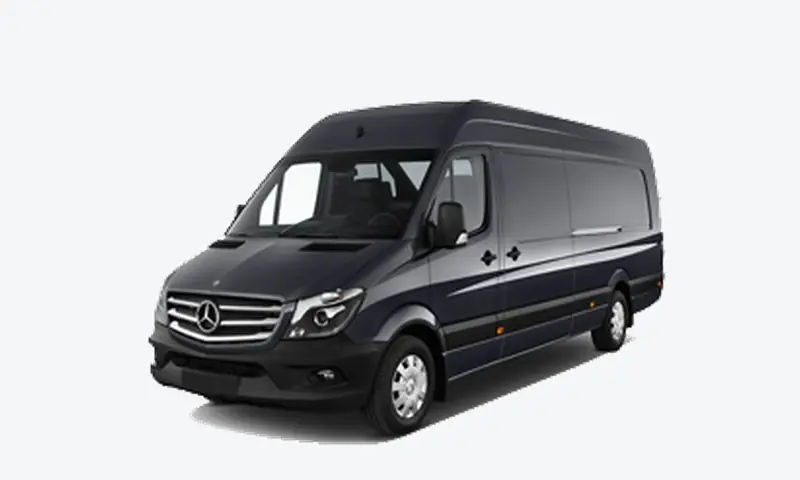
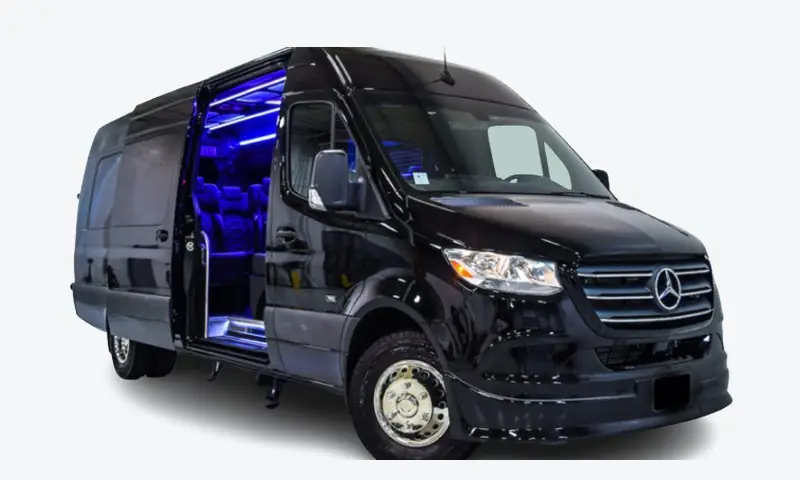
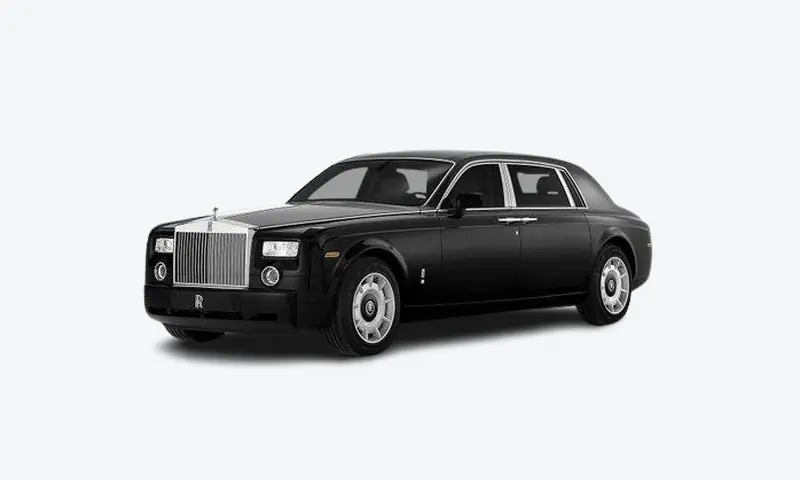
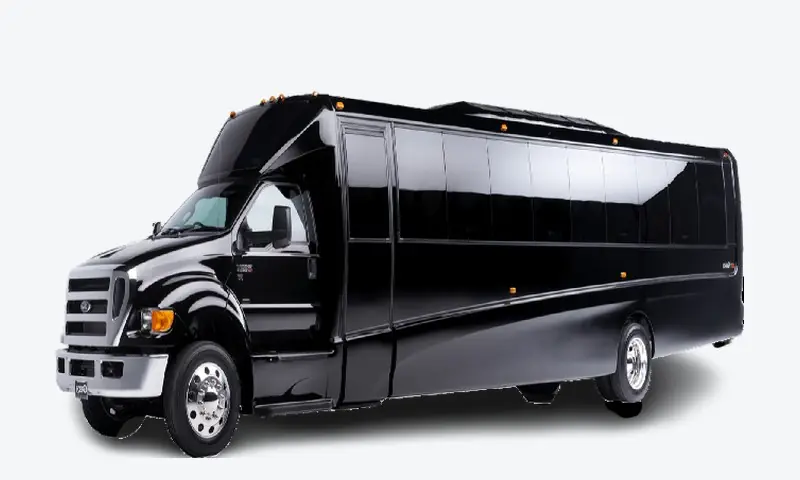
For luggage, the practical limit is the car itself. A standard taxi takes a couple with two large cases comfortably; a family with four or five transatlantic cases, a stroller and car seats usually does not fit. Larger taxis exist, and carry the €4.60 supplement for five to eight passengers, but you cannot count on one being first at the rank. That is the point where a pre-booked Business SUV, with room for six passengers and six large bags, or an Executive Sprinter, with twelve and twelve, saves a second fare and a second queue.
When waits get long
No authority publishes taxi wait times, and we will not invent them. What is predictable is when demand runs ahead of supply:
- The morning arrival wave at El Prat, when long-haul and European flights land together and the rank queue builds.
- Closing time at Fira Gran Via, especially during MWC, which runs from 1 to 4 March 2027 according to the MWC Barcelona site, and other big shows.
- Cruise turnaround mornings, when disembarking passengers head for the airport at the same time.
- Match nights at the Camp Nou and concerts at the Palau Sant Jordi, when everyone leaves at once.
- Primavera Sound, usually in early June at the Parc del Fòrum, when late sets finish after the metro closes.
- Friday and Saturday nights around the Port Olímpic and the old town, and any evening of heavy rain.
In those moments, the meter does not change but the queue does. Rideshare apps face the same shortage and add demand pricing on top.
Taxi or rideshare?
The two are closer than many visitors expect. Both are licensed, both can be booked by app, and both get scarce at the same moments. The differences are in pricing and pickup.
A taxi uses a published tariff and can be hailed, found at a rank or booked at a fixed T-3 price through an approved app. A rideshare app quotes each trip by demand and picks up where you set the pin; at El Prat, each app has designated pickup points. For a short trip at a normal hour, the taxi is usually the simpler choice. For travellers who prefer one app for every city, the rideshare is perfectly reasonable. Our comparison Barcelona: Uber vs taxi vs private car goes through the apps in detail.
When to book a car instead
| Situation | Taxi | Pre-booked Elly8.net car |
|---|---|---|
| Two people, short city hop | Best choice, a few euros | Not worth it |
| Airport arrival, family of five, cases | Supplement for 5 to 8 passengers, rank queue | Business SUV from US$140, chauffeur inside arrivals |
| MWC meeting day | One ride at a time, queues at closing | Hourly from US$85, waits near your hall |
| Cruise embarkation, group of eight | Possibly two taxis | Executive Sprinter, from US$275 from the airport |
| Montserrat day | Intercity fare, return not guaranteed | 6-hour package from US$470 |
| Late flight, fixed budget | Meter plus queue | Fixed fare in US$, booked ahead |
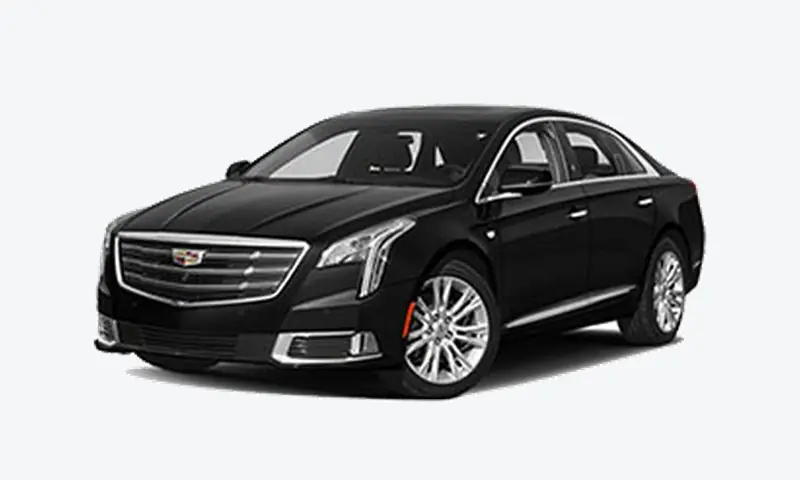
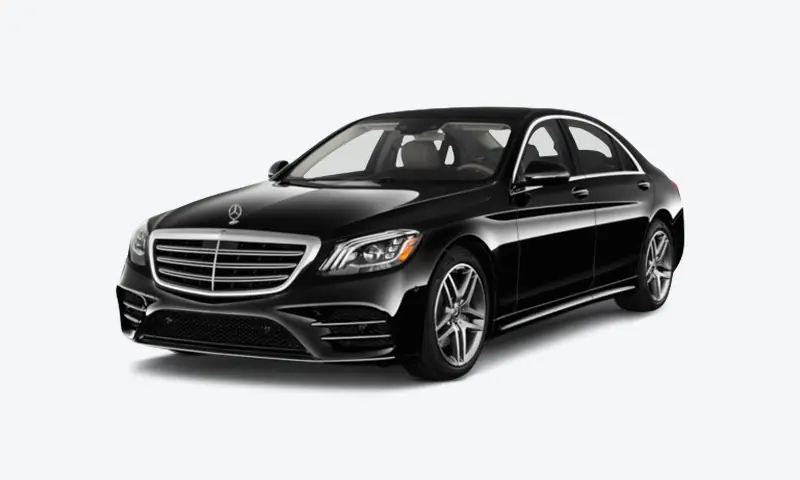
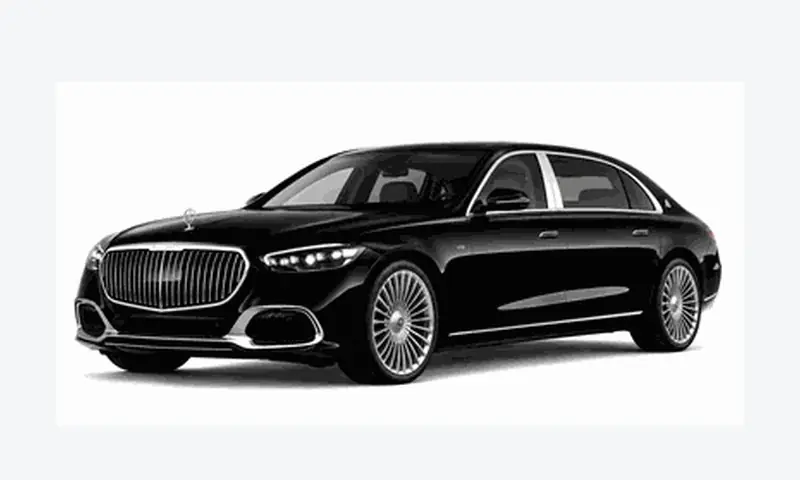
A pre-booked car is worth paying for when the trip is more than a hop. From El Prat to Passeig de Gràcia, an Elly8.net transfer costs from US$105 in a Business Sedan, US$140 in a Business SUV and US$275 in an Executive Sprinter, per vehicle, with meet and greet inside arrivals and child seats fitted when you give the ages; see meet and greet and airport transfers.
For show weeks and days of meetings, a car by the hour costs US$85 in a Business Sedan, US$110 in a Business SUV and US$170 in an Executive Sprinter, 3-hour minimum. For cruise days, see cruise port transfers; the Port de Barcelona lists the passenger terminals on the Adossat and Barcelona quays (Port de Barcelona).
For days out, the 6-hour Montserrat package costs from US$470 in a Business Sedan to US$940 in a Sprinter, and the full-day chauffeur from US$630 to US$1,255, for the Penedès cellars, Sitges or Girona. See private city tours and wine tours; the chauffeur follows local rules in the vehicle itself.
Elly8.net prices include the chauffeur, vehicle, taxes, standard gratuity and airport meet and greet; tolls, parking and waiting beyond the included time are billed at cost. Rides in Barcelona are operated by licensed, commercially insured local chauffeur partners vetted through the Limousine Worldwide network; Elly8.net takes the booking, fixes the price and runs the 24/7 desk. More on the trade-offs at chauffeur vs taxi.
Barcelona and Milan: two taxi systems compared
Many travellers combine Barcelona with Italy. Milan works differently: it has fixed taxi fares on airport routes, such as €114 between Malpensa and any Milan address, and no general airport supplement. Barcelona meters the airport trip instead, with a €4.60 supplement and a €21 minimum. Our Milan taxi guide explains the Italian tariff.
How to book a fixed-price car in Barcelona
- Pickup and drop-off. Enter El Prat with your flight number, the cruise terminal, Sants or your hotel, and the destination.
- Vehicle. Choose from the Barcelona chauffeur service prices.
- Reserve. Pay by card in US$, or use the web booker for any other address. Confirmation arrives by email.
Cancellation is free more than 72 hours before pickup, 10% at 72 hours or less, 50% at 48 hours or less, and 100% at 24 hours or less or for a no-show. Refunds go to the original card.
Frequently asked questions
How much is a taxi from Barcelona airport to the city?
It runs on the meter with a €4.60 airport supplement, and any ride starting at the airport costs at least €21 with all supplements. On distance alone, Terminal 1 to Passeig de Gràcia works out at about €30 on a weekday, before traffic. An Elly8.net Business Sedan is a fixed US$105 per vehicle.
Are Barcelona taxis more expensive at night?
Yes, through the per-kilometre rate. Tariff T-2, on weekdays from 20:00 to 8:00, Saturdays and public holidays, charges €1.66 per km instead of €1.35. The €2.80 start and the €27.75 hourly waiting rate stay the same. Three holiday eves add a €4.60 supplement.
Can I pay a Barcelona taxi by card?
Yes, where the taxi indicates that card payment is accepted. Drivers must carry at least €20 in change for cash. Ask for a printed receipt showing the price, route, date, licence number and registration. Check before you set off if you have no euros.
Can I book a Barcelona taxi at a fixed price?
Yes. The T-3 tariff gives a fixed price booked through approved taxi apps, including AMB Mobilitat. It is calculated from the official tariff and real traffic, includes all supplements and five minutes of waiting, and has an €8 minimum. The meter reads zero during the ride.
Is it hard to find a taxi in Barcelona?
Usually not. You can hail one with a green light on the street, especially at corners, or go to one of more than 300 ranks. Waits grow at closing time at Fira, after matches and concerts, on cruise turnaround mornings and on busy weekend nights.
Is the cruise port taxi fare fixed?
Between El Prat and the Moll Adossat cruise dock, yes: tariff T-4 is a fixed €46 with all supplements included. Other port trips run on the meter with a €4.60 supplement. A pre-booked SUV or Sprinter suits a family's week of luggage.