

San Francisco to Napa is about 46 miles (74 km) from Union Square to downtown Napa, a little over an hour on a clear road and up to two hours on a busy weekend. By private car with Elly8.net you have two ways to do it: the 10-hour Napa Valley wine country day from a San Francisco hotel, from US$920 in a Business Sedan to US$1,840 in a 12-seat Executive Sprinter, or a one-way transfer to a Napa hotel, quoted in the web booker for your exact addresses.
The question most visitors are really asking is whether the drive eats the day. It does not have to. This guide covers the two routes, the best departure times, the stops that are worth the detour, and an honest comparison with the ferry, a taxi and a rental car.
How long does it take to get from San Francisco to Napa?
About an hour on a clear road for the roughly 46 miles (74 km) from Union Square to downtown Napa. Visit Napa Valley puts it at one to two hours depending on traffic and the day of the week. A chauffeured 10-hour day from San Francisco costs from US$920 in a Business Sedan, all-in.
The variation is almost entirely traffic. A Tuesday at 9:30 a.m. is quick; a Friday at 4 p.m. heading north, or a Sunday at 5 p.m. heading back into the city, is slow on either route.
See Napa Valley prices and reserve
Two routes, two different drives
Visit Napa Valley's getting here page describes the same two options the chauffeur chooses between: the scenic route across the Golden Gate, or the Bay Bridge through the East Bay.
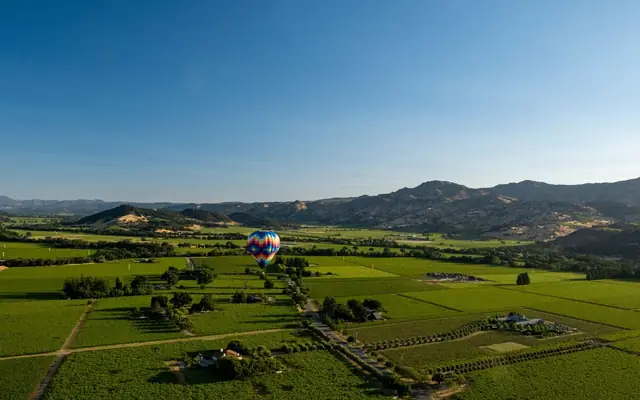
Route one: the Golden Gate and Carneros. North on US-101 across the Golden Gate Bridge, through southern Marin, then east on State Route 37 and up through the Carneros district into Napa. It is the prettier drive, with the bay on one side and vineyards appearing as you reach Carneros. It also passes close to Sonoma, which makes it the natural route for a day that includes Sonoma Plaza.
Route two: the Bay Bridge and Vallejo. East on I-80 across the Bay Bridge, north through the East Bay, then west on Route 37 and north on Highway 29 into Napa. It is often the quicker choice from SoMa, the Embarcadero or a Moscone hotel, and on some days it simply has less traffic.
Which way the tolls run
Bay Area bridge tolls are collected in one direction only, which works in your favour on the way out. The Golden Gate Bridge charges southbound only, into San Francisco. The Bay Bridge charges westbound only, according to FasTrak. So the trip to Napa is normally toll-free at the bridges, and the return into the city pays one toll, billed at cost.
| Route | Approx. time, clear road | Bridge toll going north | Bridge toll coming back | Good for |
|---|---|---|---|---|
| Golden Gate, Route 37, Carneros | a little over an hour | none | Golden Gate, southbound | scenery, Sonoma, Carneros wineries |
| Bay Bridge, I-80, Vallejo, Highway 29 | about an hour | none | Bay Bridge, westbound | SoMa and Embarcadero hotels, weekday speed |
When to leave
The single best thing you can do for a Napa day is leave at the right time.
- Weekdays: leave the city around 9 to 9:30 a.m., after the worst of the morning commute, and you will usually reach downtown Napa or the first winery in about an hour.
- Saturdays: leave earlier, by about 8:30 a.m., because weekend traffic out of the city builds through the morning.
- Fridays: avoid the afternoon. A 3 p.m. departure can double the drive.
- Coming back: Sunday from mid-afternoon into the evening is the slowest return. Visit Napa Valley's own traffic tip is to travel at unusual times, especially late in the evening.
For a day trip, most of our San Francisco bookings collect at 9 a.m. and return between 6 and 7 p.m., which fits a 10-hour day with three tastings and lunch.
Stops worth making
A private car turns the drive into part of the day, as long as you plan the stops as carefully as the wineries.
Golden Gate views. Crossing the bridge northbound is the moment most visitors want a photo. Viewpoint parking is limited and the chauffeur will advise what is practical on the day; a quick stop on the way out costs less time than on the crowded way back.
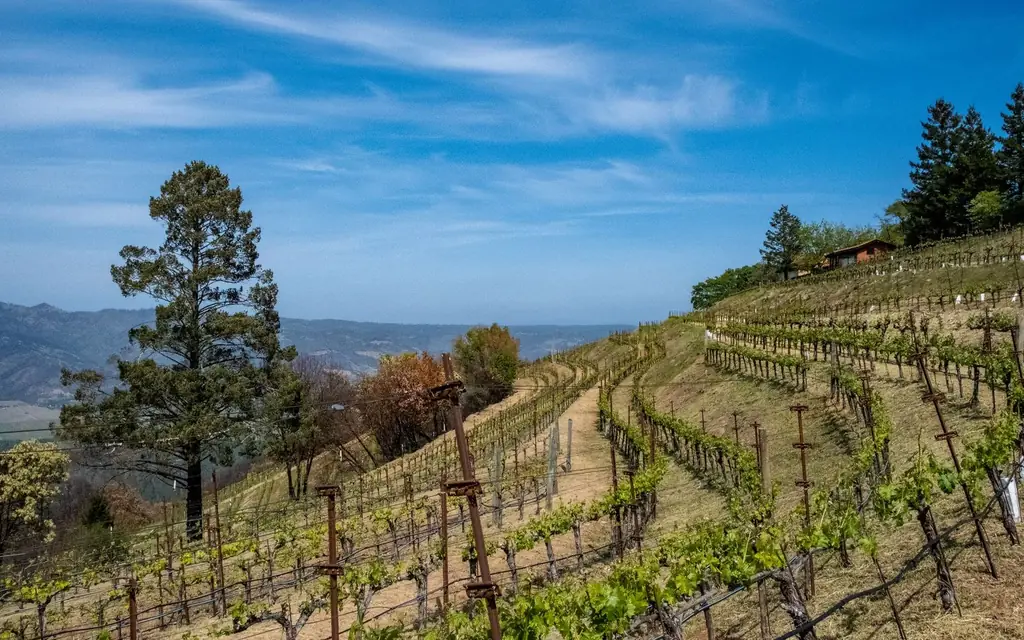
Carneros. The Los Carneros appellation straddles Napa and Sonoma at the top of San Pablo Bay, and its wineries are the first you reach on the Golden Gate route. A first tasting here means no time is lost in the car before the day starts.
Sonoma Plaza. The historic town square of Sonoma is about 14 miles (23 km) from downtown Napa. Many groups lunch here and spend the afternoon in Napa, or the reverse.
Downtown Napa. The riverfront, the Oxbow Public Market and the Napa Valley Wine Train station at 1275 McKinstry Street are all close together. If you have booked the Wine Train, the chauffeur can drop you at the station and collect you at the end.
Each stop adds time. A 10-hour day absorbs one or two comfortably; if you want four stops on the way plus three tastings, think about staying the night.
What a chauffeured day from San Francisco costs
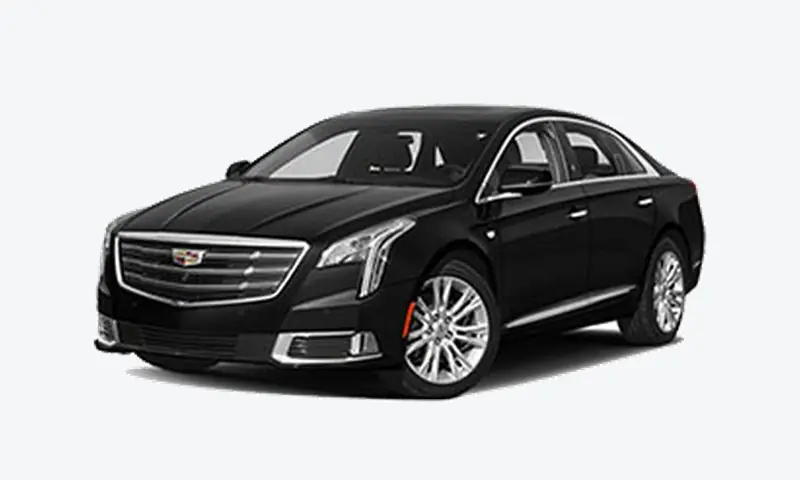
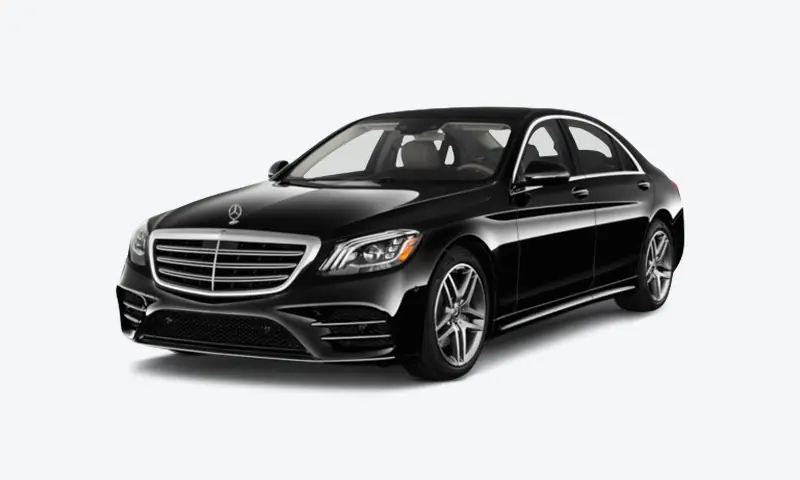
| Vehicle | Passengers | 10-hour Napa day from San Francisco | Arithmetic per person, full vehicle |
|---|---|---|---|
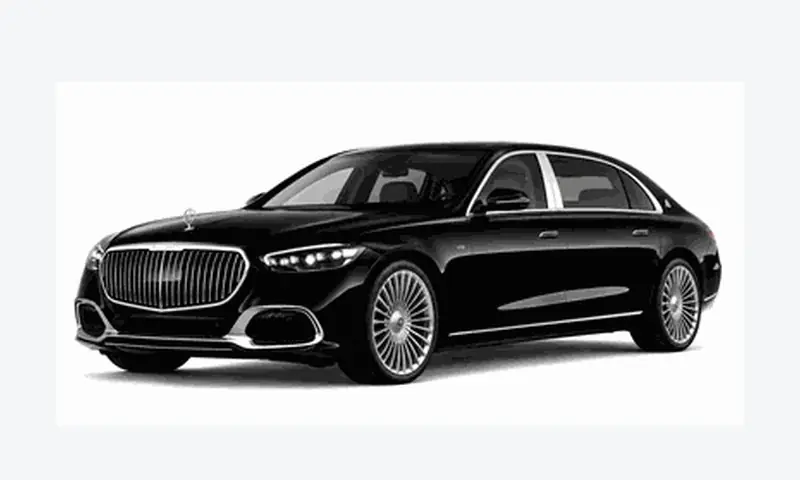
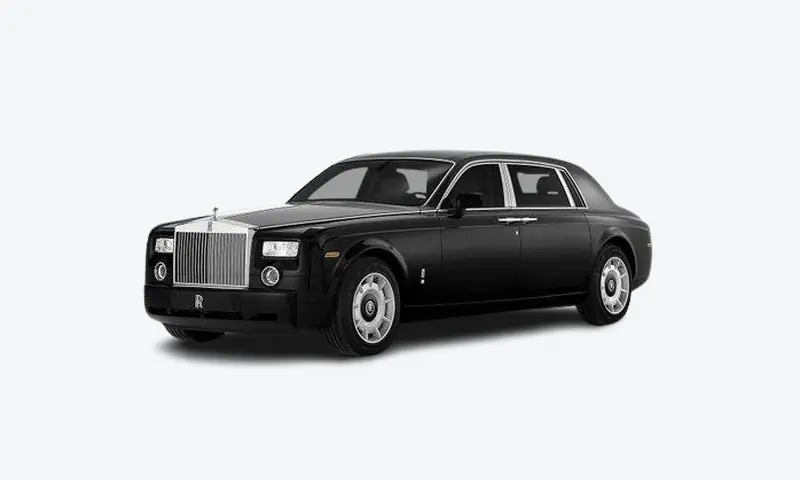
| Business Sedan | up to 3 | US$920 | about US$307 for three |
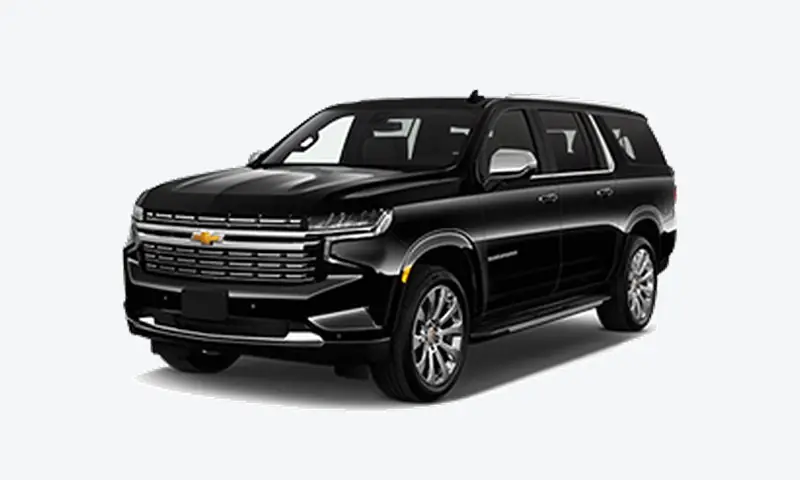
| Business SUV | up to 6 | US$1,150 | about US$192 for six |
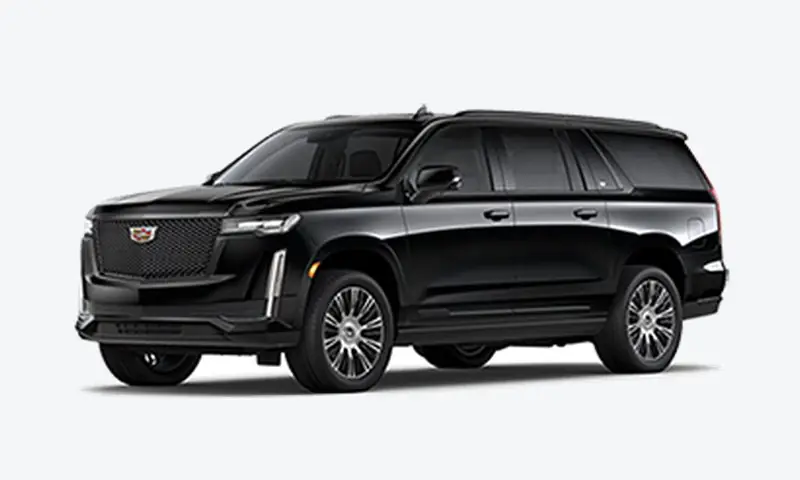
| First Class SUV | up to 6 | US$1,380 | about US$230 for six |
| First Class Sedan | up to 3 | US$1,475 | about US$492 for three |
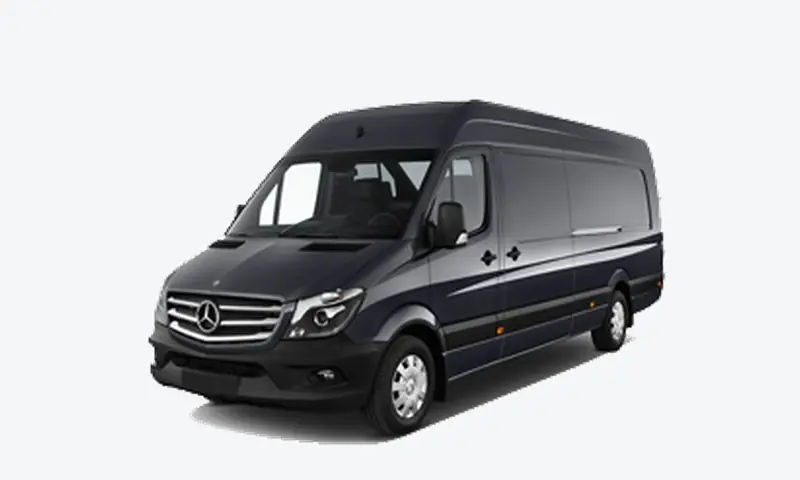
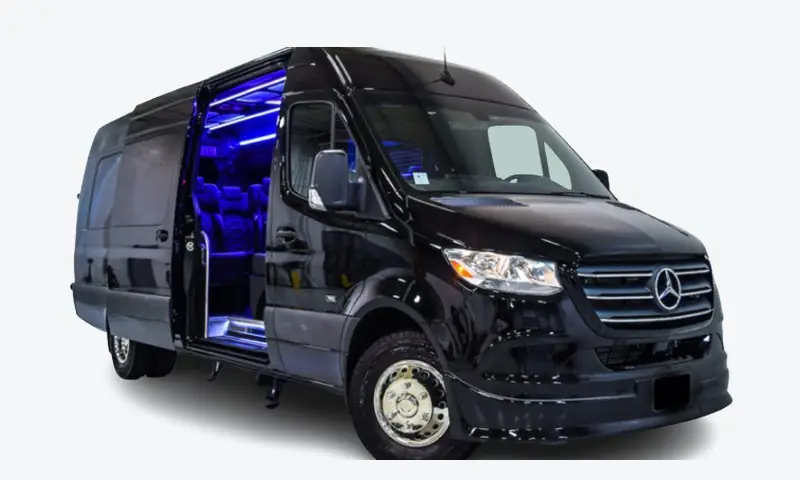
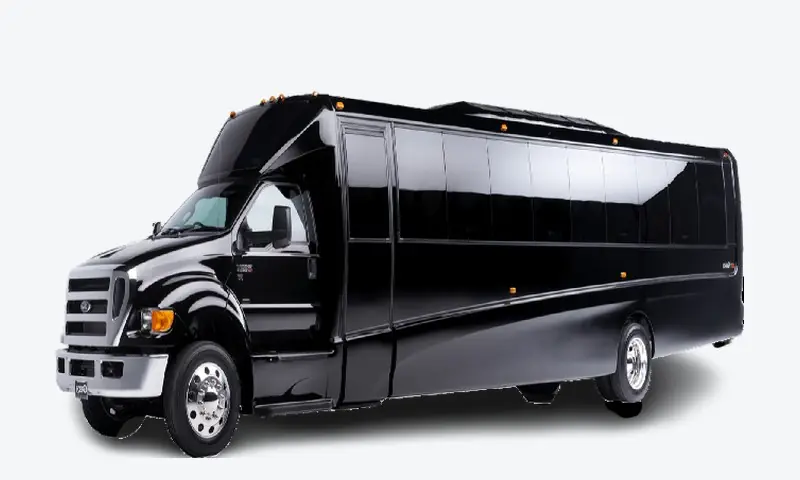
| Executive Sprinter | up to 12 | US$1,840 | about US$153 for twelve |
Per-person figures are arithmetic for comparison only; the price is per vehicle. Each fare includes the chauffeur, vehicle, taxes and standard gratuity, and the return bridge toll is billed at cost. Winery tasting fees are paid to the wineries. The day is cheaper than the clock: ten hours at the hourly rate in a Business Sedan would be US$1,000, against US$920 for the package. These prices are on the San Francisco page, where the day trip is booked.
One way, and staying over
If you are moving from a San Francisco hotel to a Napa hotel for a few nights, book a one-way transfer instead of a day. It is priced for your exact addresses in the web booker; see city to city car service. For a yardstick, the fixed fare from SFO to downtown Napa, a slightly longer drive, is US$390 in a Business Sedan.
Once you are in the valley, local bookings are priced from Napa: the eight-hour Napa and Sonoma wineries day is from US$740 in a Business Sedan, and hourly service from US$100 an hour with a 3-hour minimum. Our Napa Valley private driver guide explains how to use a driver once you are there. Flying in rather than starting in the city? Read SFO to Napa by private car.
The other ways to get there, honestly
| Option | Cost | Time | Verdict |
|---|---|---|---|
| Ferry to Vallejo, then VINE bus | ferry fare plus US$2 on VINE Route 11 | about an hour on the water, plus the bus | scenic and cheap for light travellers; not for a tasting day |
| Taxi | metered; about US$230 on distance alone | an hour or more | rarely used for Napa; no waiting between wineries |
| Rideshare | set by the app at request | an hour or more | fine to get there; the ride back from a rural winery is not guaranteed |
| Rental car | daily rate, fuel, parking | an hour or more | freedom, but someone has to stay sober and navigate |
| Elly8.net 10-hour day | from US$920 fixed, all-in | door to door | the whole group, with a chauffeur waiting at every stop |
The ferry. San Francisco Bay Ferry's Vallejo route leaves from the downtown San Francisco terminal, and the weekday timetable shows crossings of about an hour. From the Vallejo Ferry Terminal, VINE Route 11, the Napa-Vallejo Connector, runs into Napa every day, for an adult fare of US$2.00 according to VINE Transit. It is a lovely way to arrive for an overnight stay with a small bag. For a day of tastings it leaves you in downtown Napa without a way between wineries.
Taxi. San Francisco taxis charge 150% of the meter for trips more than 15 miles beyond the city limits, per SFMTA. Applied to 46 miles, the distance alone comes to roughly US$230 before traffic minutes and a tip. That is arithmetic from the published rate, not a quote. It gets you there, but it will not wait between wineries.
Rideshare works for a one-way trip to a Napa hotel. It is less reliable for the return from a hillside estate at five o'clock, which is the moment a tasting day depends on.
Rental car. Freedom to explore, but one person in the group drives instead of tasting, and parking at popular wineries can be tight. Our chauffeur vs renting a car guide sets out the costs side by side.
Bringing wine back to the city
Bottles bought during the day ride home in the trunk, out of the sun. A Business Sedan holds a couple's purchases comfortably; a group buying by the case should book an SUV or the Sprinter, which carries up to 12 bags. Many wineries also ship, which is worth asking about if you are flying home. The chauffeur follows local rules on alcohol, and there is no drinking in the vehicle.
How to book
Enter your San Francisco hotel as the pickup, choose the Napa Valley day trip or a one-way transfer, pick the vehicle and pay with Reserve now, or use the web booker for a custom itinerary. Send your winery appointment times to the desk and the chauffeur builds the route around them. Confirmation arrives by email. Rides in Napa Valley are operated by licensed, commercially insured local chauffeur partners vetted through the Limousine Worldwide network; Elly8.net takes the booking, fixes the price and runs the 24/7 desk.
For the tasting day itself, our Napa wine tour planning guide builds a sample day hour by hour, and the wine country tours page explains group days. Full local prices are on the Napa Valley car service page.
Frequently asked questions
How far is Napa from San Francisco?
About 46 miles (74 km) from Union Square to downtown Napa by road, a little over an hour with no traffic. Visit Napa Valley describes it as about 50 miles and one to two hours, depending on traffic and the day of the week. Up-valley towns such as St. Helena and Calistoga add another 18 to 27 miles.
How much is a private car from San Francisco to Napa for the day?
The Elly8.net 10-hour Napa Valley day from a San Francisco hotel costs US$920 in a Business Sedan, US$1,150 in a Business SUV and US$1,840 in an Executive Sprinter for up to 12. Prices are fixed and all-in, including gratuity. The return bridge toll is billed at cost, and tasting fees are paid to the wineries.
Which is better, the Golden Gate or the Bay Bridge route?
Neither always wins. The Golden Gate route through Marin and Carneros is more scenic and suits a day that includes Sonoma. The Bay Bridge route through Vallejo is often quicker from SoMa and Embarcadero hotels. The chauffeur checks traffic on the morning and chooses; both are toll-free northbound.
Can you take the ferry from San Francisco to Napa?
Partly. The San Francisco Bay Ferry runs to Vallejo in about an hour, and VINE Route 11 connects the Vallejo Ferry Terminal with Napa for an adult fare of US$2.00. It suits an overnight trip with light luggage. It does not get you between wineries during a tasting day.
What time should we leave San Francisco for a Napa day?
Around 9 to 9:30 a.m. on a weekday and by about 8:30 a.m. on a Saturday. Avoid leaving on a Friday afternoon, and expect the Sunday evening return to be slow. Most chauffeured days from the city collect at 9 a.m. and return between 6 and 7 p.m.
Is there a toll on the way to Napa?
Usually not at the bridges. The Golden Gate Bridge charges only southbound into San Francisco, and the Bay Bridge only westbound, so the trip north is normally toll-free there and the return pays one toll. On Elly8.net bookings, tolls are billed at cost.