



Executive transportation is pre-booked ground transport for senior travellers: a professional chauffeur, a business or first-class vehicle, and a service built around a schedule rather than a single ride. In practice it covers airport transfers with meet and greet, point-to-point rides between meetings, chauffeurs by the hour for a day of appointments, and roadshow days across a city.
For a company, the useful questions are not about the car. They are about reliability, duty of care, how bookings are made and changed, and how the costs reach finance. This guide takes those in turn, with fixed Elly8.net examples such as a corporate roadshow day in New York from US$945 in a Business Sedan, and a Heathrow to Mayfair transfer from US$195.
What should a company look for in an executive transportation provider?
Look for five things: fixed prices agreed before the ride, flight tracking with meet and greet, a reservations desk that answers around the clock, licensed and commercially insured operators, and an account with monthly invoicing that carries cost centres and references. Everything else, including the model of car, matters less than those.
A sleek vehicle that arrives twenty minutes late is a worse service than a plain one that is waiting when the executive walks out of customs. Ask every provider how it handles the bad days, and ask for the answer in writing.
Reliability: what to ask, and what the answers should be
| Question to ask | Why it matters | Elly8.net answer |
|---|---|---|
| Do you track flights? | Early and late landings are normal on long-haul routes | Yes, on every airport pickup, from the flight number |
| Where does the chauffeur meet the traveller? | Kerbside searching wastes time and causes missed pickups | Inside arrivals with a name board |
| What does waiting cost? | Immigration and baggage times are unpredictable | Complimentary waiting after a tracked landing |
| Who answers at 3 a.m.? | Flights are cancelled at night | A 24/7 reservations desk |
| Is the price fixed? | Budgets break when prices move with demand | Fixed all-in price per vehicle, agreed before the ride |
| Who operates the car? | Duty of care and insurance | Licensed, commercially insured operators |
Reliability also depends on the information given at booking. The flight number, the traveller's mobile number, the exact pickup address and any access notes for an office or residence remove most of the reasons a pickup goes wrong. Executive assistants who book for others should treat those four fields as mandatory.
Then there is the meeting that runs over, which is the most common change of all. On a point-to-point booking, a late finish means the car may have gone to its next job, and waiting beyond the included time is billed at cost. On an hourly booking, the chauffeur is simply still there. If the schedule is uncertain, that is a strong reason to book by the hour. Either way, a message to the 24/7 desk as soon as the delay is known gives the desk time to adjust the pickup, rather than the traveller discovering the problem on the pavement.
Duty of care, in practical terms
Duty of care is the organisation's responsibility for the safety and wellbeing of people travelling on its behalf. The international standard ISO 31030 gives organisations guidance on managing travel risk, covering policy, programmes and the assessment of risk to the organisation and its travellers. Ground transport is one of the places where that guidance turns into daily practice.
For ground transport, it comes down to a few concrete points:
- Known operators. Rides run with licensed, commercially insured operators. In Toronto and the GTA, rides run on the Elly8 fleet and chauffeurs; in every other city, they are operated by licensed, commercially insured local chauffeur partners vetted through the Limousine Worldwide network, with Elly8.net taking the booking, fixing the price and running the 24/7 desk.
- Known chauffeurs. The chauffeur's name and contact details are sent before pickup, so the traveller knows exactly who is collecting them.
- Recent vehicles. Partner vehicles are four model years old or newer, seven for Rolls-Royce, Maybach and Bentley.
- Confidentiality. NDAs are available on request for deal teams, board members and confidential travel.
- A reachable desk. The traveller, the assistant and the travel manager can all reach the 24/7 desk.
Compare that with a policy that lets travellers expense whatever ride they find at the kerb. The cost may look similar on a quiet day; the information the company holds about where its people are is not.
Accounts and invoicing
The administrative side is where executive transportation saves the most time. An Elly8.net corporate account works like this:
One account, many cities. The same account books cars in 141 cities across the USA, Canada and Europe, so a traveller going from New York to London to Paris does not need three suppliers.
Monthly invoicing. Rides post to the account and are invoiced once a month, rather than travellers expensing individual receipts.
References that finance can use. Cost centres and purchase-order numbers can be attached to bookings, so the invoice lines match your internal codes.
Vehicle classes by policy. The company decides which classes each group of travellers may book, from Business Sedan to Executive Sprinter.
Transparent extras. Tolls, parking and waiting beyond the included time are billed at cost and shown on the invoice line, so nothing arrives as a surprise.
For travellers who still expense rides individually, keep the receipt. In the United States, IRS Publication 463 lists fares for taxis, commuter buses and airport limousines between the airport or station and the hotel among travel expenses, and sets out how long to keep records and receipts. We are not tax advisers; your finance team will apply its own rules.
Hourly or point-to-point: doing the maths
The most common question from assistants is whether to book separate rides or a chauffeur for the day. The answer depends on the gaps between appointments.
Take New York, using the published Elly8.net price list. A single airport transfer from JFK to Midtown costs US$210 in a Business Sedan. A chauffeur by the hour costs US$105 an hour in a Business Sedan, with a three-hour minimum. A full-day chauffeur, eight hours, costs US$775, which is 8% below the hourly rate. A corporate roadshow day, ten hours with one chauffeur and a planned route, costs US$945, 10% below hourly.
| Day shape | Better choice | New York Business Sedan price | New York First Class Sedan price |
|---|---|---|---|
| Airport in, one meeting, hotel | Point-to-point transfers | JFK to Midtown US$210 | US$370 |
| Three meetings in Midtown, two hours apart | Hourly, 3-hour minimum or more | US$105 an hour | US$170 an hour |
| A day of meetings across Manhattan and Brooklyn | Full-day chauffeur, 8 hours | US$775 | US$1,255 |
| Investor roadshow, six or more meetings | Corporate roadshow day, 10 hours | US$945 | US$1,530 |
The rule of thumb: if the traveller makes three or more moves in a day and the gaps are shorter than an hour or two, a chauffeur on the clock is usually cheaper and always calmer, because the car waits outside and the bags stay in it. If there is one move in the morning and one in the evening, book transfers.
Budgeting a two-day trip
Here is what a typical two-day New York trip costs on the published price list, in a Business Sedan: JFK to Midtown on arrival, US$210; a roadshow day, US$945; Midtown back to JFK, US$210. That is US$1,365 for the whole trip, fixed before the traveller leaves, with tolls and parking at cost. The same itinerary in a First Class Sedan costs US$370, US$1,530 and US$370, or US$2,270.
In London, Heathrow to Mayfair costs from US$195 in a Business Sedan, and the corporate roadshow day costs US$945, so the same shape of trip lands at US$1,335. In Toronto, Pearson to downtown is US$155 and the roadshow day US$990. These figures let a travel manager put ground transport into a trip approval before anything is booked, which is the point. See New York car service, London chauffeur service and Toronto executive car service.
Matching the vehicle class to the traveller
Travel policies tend to name a single class for everyone. A small table of rules works better, because the right vehicle depends on the trip as much as the person.
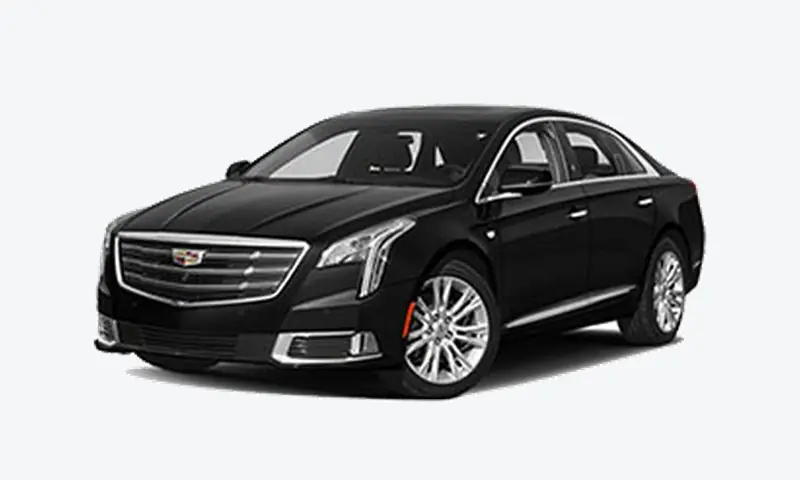
Business Sedan for individual airport runs and meetings: an E-Class, CT6, Continental or similar in North America, an E-Class or BMW 5 Series in Europe. It seats three with two bags.
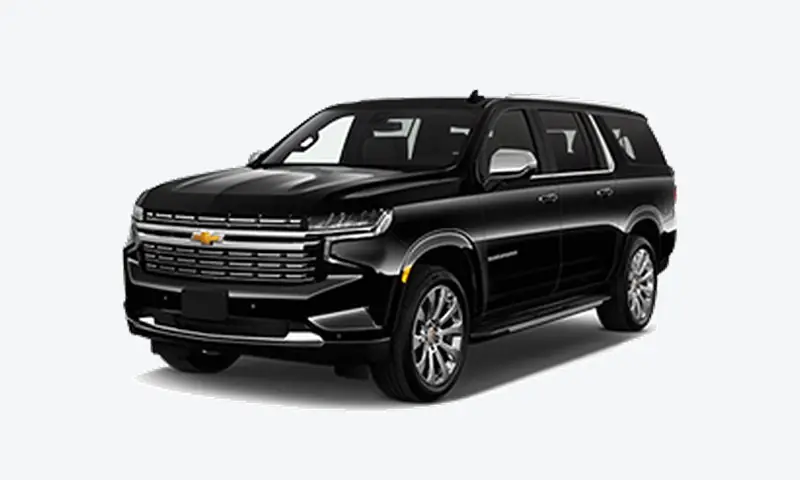
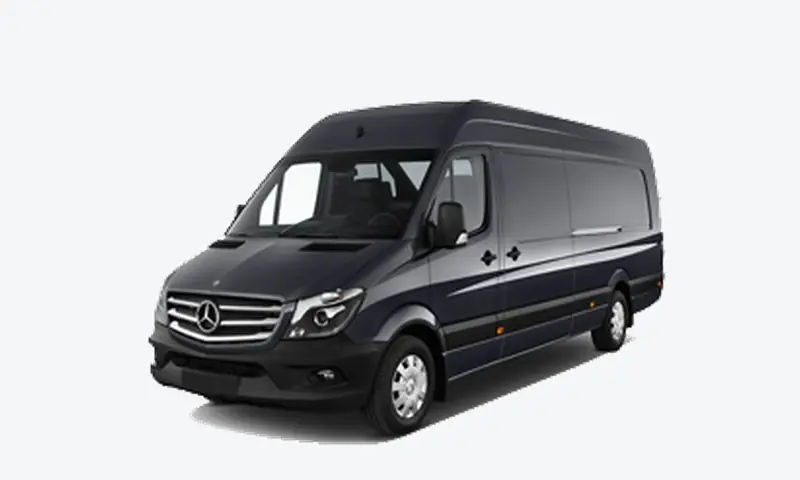
Business SUV or Van for extra luggage, two or three travellers sharing, and winter cities. It seats six with six bags; in Europe the class is a Mercedes-Benz V-Class.
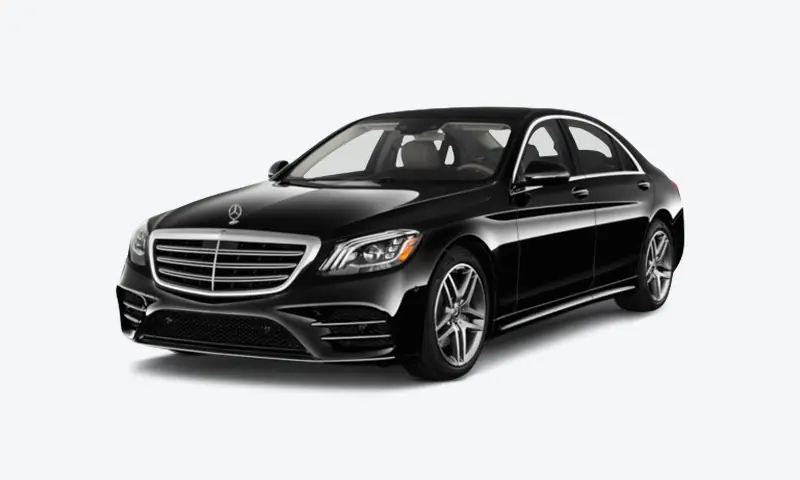
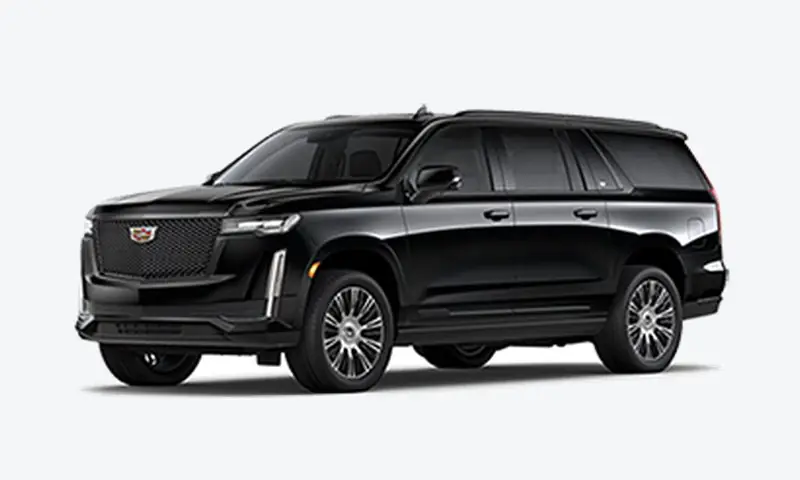
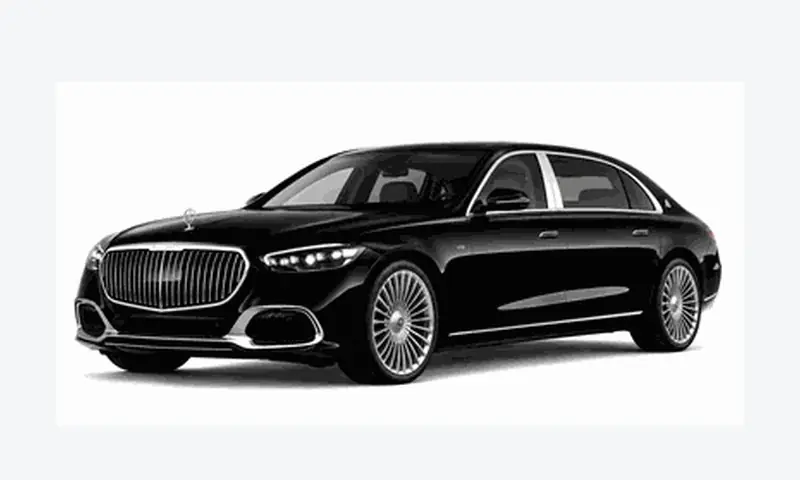
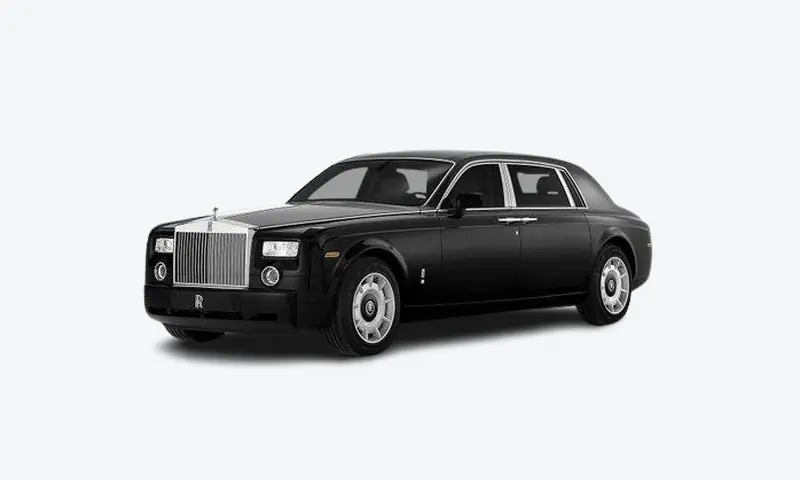
First Class Sedan or First Class SUV for board members, client hosting and arrivals where the impression matters: an S-Class or 7 Series, or an Escalade or Navigator in North America.
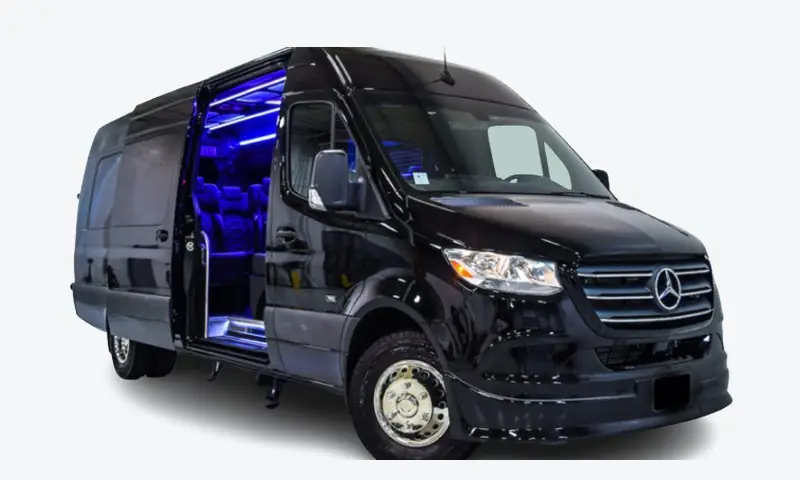
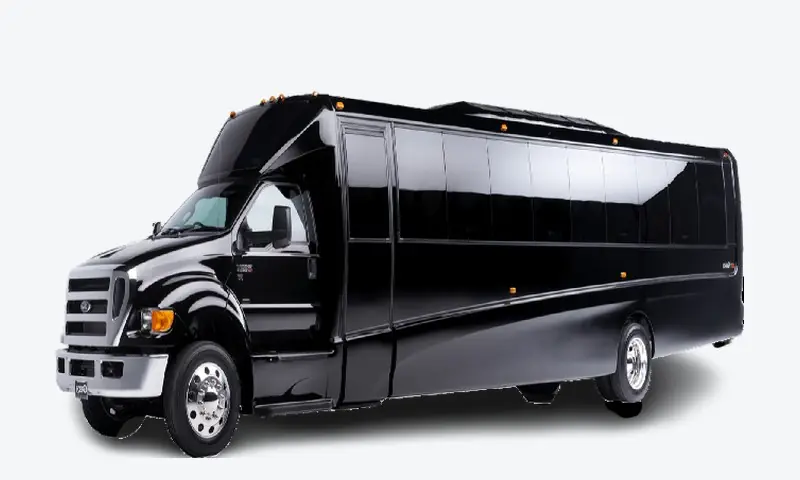
Executive Sprinter for teams, offsites, site visits and conference shuttles, up to twelve passengers and twelve bags in one vehicle.
Writing the rule as "Business Sedan, or Business SUV when travelling with more than two bags or in winter" removes most exception requests before they reach the travel manager.
International arrivals: the first hour matters most
The riskiest part of an executive trip is often the first hour after a long-haul landing: a tired traveller, an unfamiliar airport, a phone that has not yet connected to a local network. A meet and greet inside arrivals solves most of it. The chauffeur is in the hall with a name board, has tracked the flight, and does not need the traveller to call or message on landing. The chauffeur's details arrive before pickup, so the traveller can check who is meeting them. For London, Paris, Frankfurt or Geneva, this is the single most useful line in a travel policy.
Reviewing the programme each quarter
A ground transport programme is easy to set up and easy to forget. A short quarterly review keeps it honest. Pull the monthly invoices and look at four things: the share of airport rides booked with a flight number, the number of late changes and their causes, the spread of vehicle classes against policy, and the charges billed at cost, such as parking and waiting beyond the included time. Waiting charges usually point to a process problem, such as pickups booked before meetings end, rather than a pricing one. Fix the process and the line disappears from next quarter's invoice.
The executive on the move between cities
Executives rarely stay in one city. The account covers the whole trip: a roadshow chauffeur for investor days, conference transportation for delegates, and city to city car service for drives such as New York to Philadelphia or Toronto to Niagara Falls when the train timetable does not fit. Each is priced in advance on the same terms.
Executive transportation vs an app's premium tier
App premium tiers are convenient for a short, unplanned ride. For executive travel, the differences are structural: the app price moves with demand, the pickup point at many airports is a designated zone rather than the arrivals hall, and the booking is made by the traveller rather than held on a company account. Our Uber Black vs a pre-booked chauffeur comparison sets out the detail, and how much is an Uber explains how app prices are built.
Executive assistants: a booking checklist
- The flight number, not just the time.
- The traveller's mobile number, and whether they prefer a call or a message.
- The exact pickup address, building entrance and any security procedure.
- The number of bags, especially for long trips or sample cases.
- The name to show on the board, and whether discretion is needed.
- The cost centre or purchase-order reference.
- For hourly bookings, the list of stops in order.
For the arrival itself, our guide to transportation from the airport walks through each step, and chauffeur hire cost explained breaks down a quote line by line. The executive car service and corporate car service pages show the vehicles and prices.
How booking works
- Pickup and drop-off. Enter the airport and flight number, or the addresses and stops.
- Vehicle. Choose the class allowed by your travel policy.
- Reserve. Book on account, press Reserve now on a city's price list, or use the web booker for any address. Confirmation arrives by email with the chauffeur's details before pickup.
Cancellation is free more than 72 hours before pickup; 10% at 72 hours or less, 50% at 48 hours or less, and 100% at 24 hours or less or for a no-show, refunded to the original card. Travel management companies can book through travel agent accounts. Elly8.net books the car only; flights and hotels go through BookingWorldwide.net. Elly8.net is a member of LimousineWorldwide.Directory, LimousineAssociation.International, HotelsWorldwide.Directory and VacationsWorldwide.Directory.
Frequently asked questions
What is executive transportation?
Pre-booked ground transport for senior travellers: a professional chauffeur, a business or first-class vehicle, and service built around a schedule. It covers airport transfers with meet and greet, rides between meetings, chauffeurs by the hour and roadshow days, at fixed prices agreed before the ride.
How does corporate invoicing work?
Rides booked on an Elly8.net corporate account post to the account and are invoiced once a month. Cost centres and purchase-order references can be attached to bookings, and tolls, parking and waiting beyond the included time appear on the invoice line at cost.
Is hourly or point-to-point cheaper for a day of meetings?
If the traveller makes three or more moves with short gaps, hourly service is usually cheaper and simpler. In New York, a Business Sedan costs US$105 an hour with a three-hour minimum, a full day costs US$775, and a ten-hour roadshow day US$945.
How do you handle cancelled or delayed flights?
The chauffeur tracks the flight number, and waiting after a tracked landing is complimentary. If a flight is cancelled and the traveller is rebooked, the assistant or traveller messages the 24/7 desk with the new flight and the pickup moves.
Can we restrict which vehicles travellers book?
Yes. On a corporate account, the company sets which classes each group of travellers may book, from Business Sedan and Business SUV to First Class Sedan, First Class SUV and Executive Sprinter for teams. Writing the rule by trip type, for example a Business SUV when travelling with more than two bags, reduces exception requests.
Do you sign NDAs?
Yes, NDAs are available on request for confidential travel, deal teams and senior executives. Ask when you open the account or when you book the trip. The chauffeur's details are still sent before pickup, so the traveller knows who is collecting them, while the booking itself stays confidential.